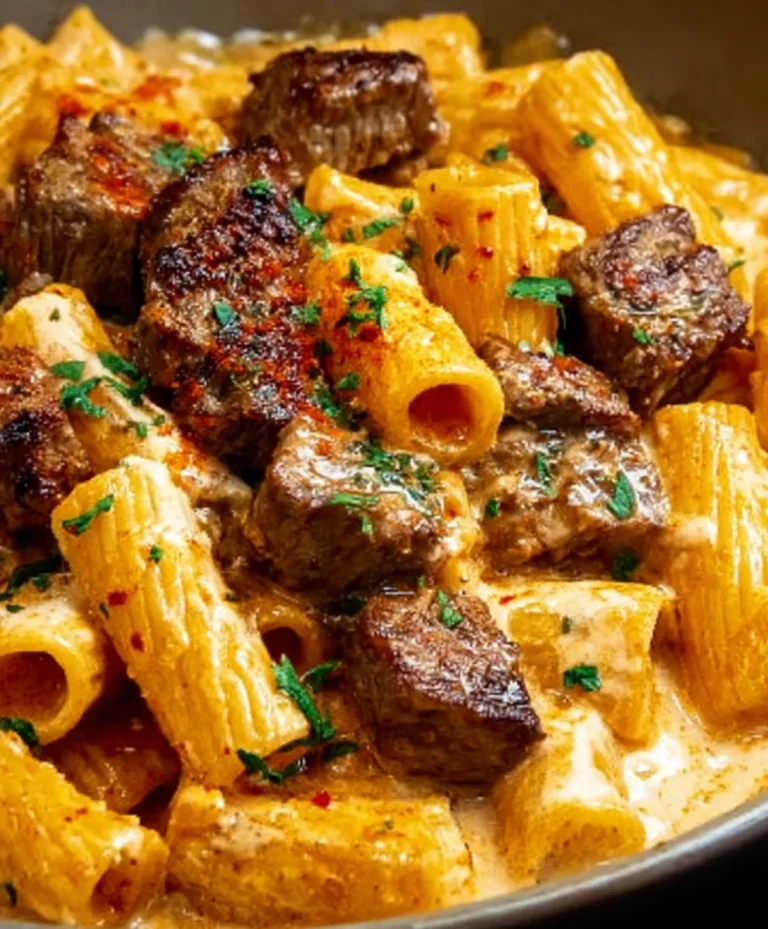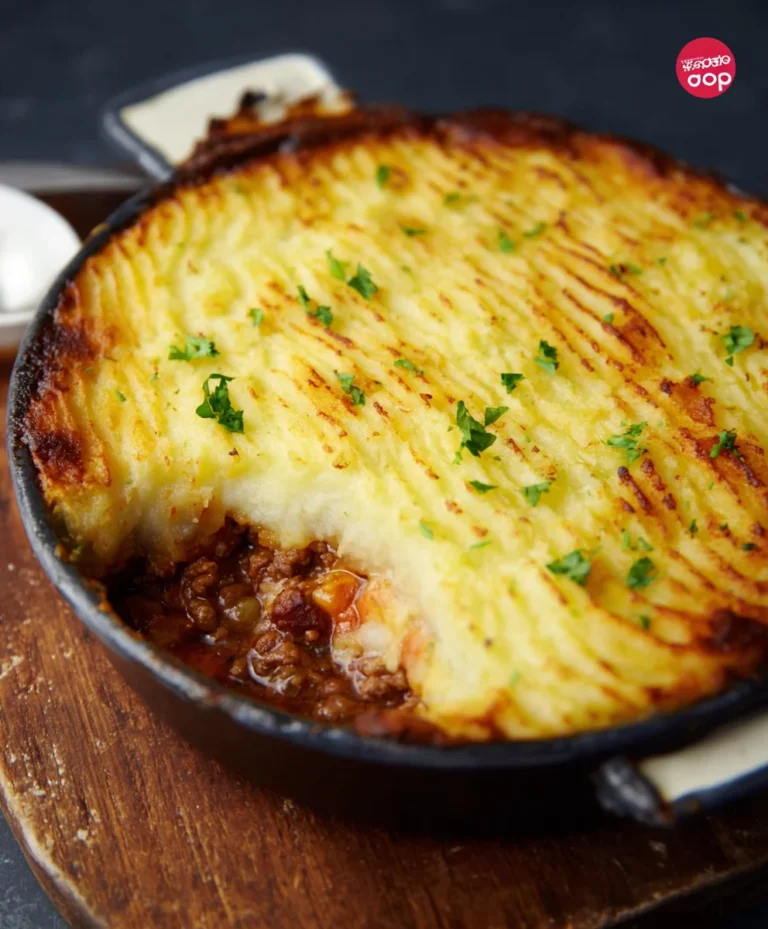
Spicy Beef and Mango Salsa Recipe – Fresh & Zesty Delight
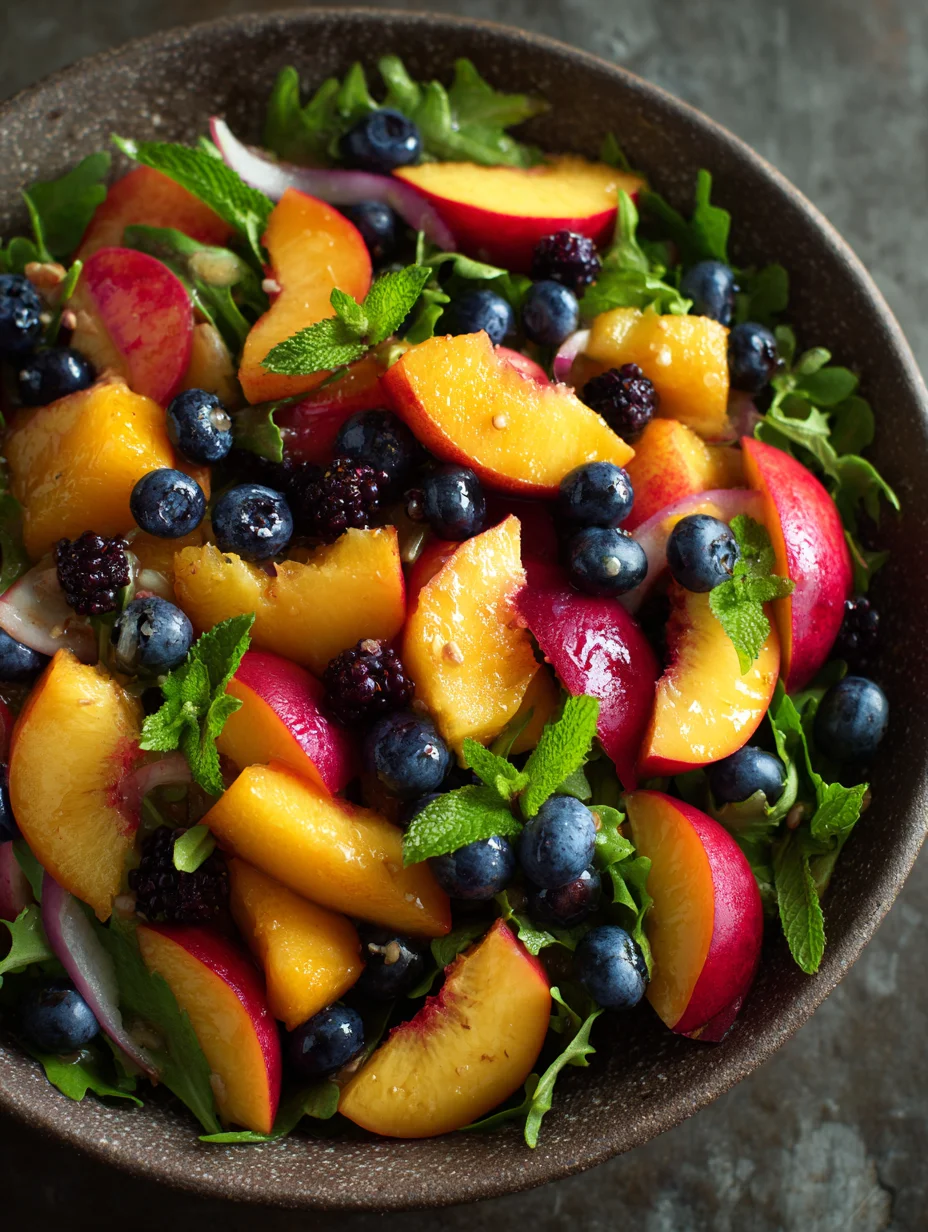
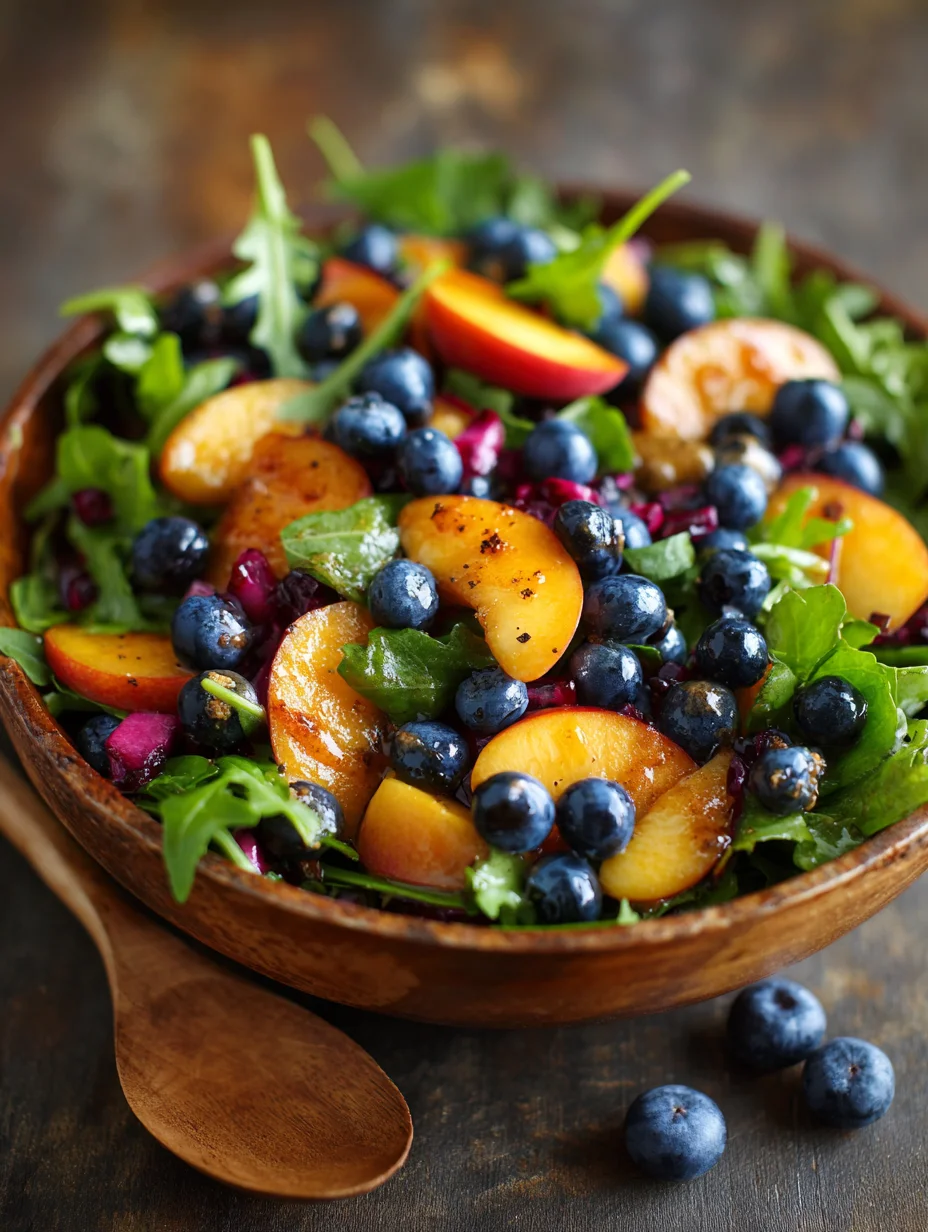
The Ultimate Fresh Fruit Salad Recipe is a vibrant celebration of summer’s bounty, a dish that instantly transports you to sun-drenched picnics and lazy afternoons. Who doesn’t love a good fruit salad? It’s the quintessential light and refreshing dessert or snack, bursting with natural sweetness and a knon-alcoholic aleidoscope of colors that are as beautiful to behold as they are delicious to devour. What makes this particular fruit salad truly special is its incredible versatility and the sheer joy it brings. We’re not just talking about any old jumble of fruit here; this recipe focuses on combining textures and flavors that sing together, elevated by a simple yet exquisite dressing that enhances, rather than overpowers, the natural goodness of each component. Get ready to discover your new favorite way to enjoy the season’s best.
Ingredients:
- 2 tablespoons unsalted butter
- 1 tablespoon olive oil
- 1 pound boneless, skinless chicken thighs, cut into 1-inch pieces
- 1 teaspoon salt
- 1/2 teaspoon black pepper
- 1 large yellow onion, finely chopped
- 2 cloves garlic, minced
- 1/2 cup dry white grape juice (like Pinot Grigio or Sauvignon Blanc)
- 1 cup chicken broth
- 1/4 cup heavy cream
- 2 tablespoons fresh parsley, chopped
- 1 tablespoon fresh chives, chopped
- 1 teaspoon lemon zest
- Cooked rice, for serving
- Poached eggs, for serving (optional)
Searing the Chicken
Step 1: Prepare the Chicken and Pan
Begin extract by ensuring your chicken thighs are completely dry. Pat them thoroughly with paper towels; this is a crucial step for achieving a beautiful golden-brown sear. Cut the boneless, skinless thighs into uniform 1-inch pieces. Season these pieces generously with the salt and black pepper. In a large, heavy-bottomed skillet, such as cast iron, melt the unsalted butter with the olive oil over medium-high heat. It’s important to use both butter and olive oil as the butter adds richness and flavor, while the olive oil has a higher smoke point, preventing the butter from burning too quickly. Wait until the butter is melted and the oil is shimmering; this indicates the pan is hot enough for searing.
Step 2: Sear the Chicken to Perfection
Carefully add the seasoned chicken pieces to the hot skillet in a single layer. Avoid overcrowding the pan, as this will cause the chicken to steam rather than sear, resulting in a less desirable texture and color. If necessary, work in batches. Allow the chicken to cook undisturbed for about 3-4 minutes per side, or until a deep golden-brown crust forms. This searing process locks in the juices and builds a fantastic flavor base for our dish. Once seared, remove the chicken from the skillet and set it aside on a plate. Don’t worry if it’s not cooked all the way through at this stage; it will finish cooking in the sauce.
Building the Sauce
Step 3: Sauté Aromatics and Deglaze
Reduce the heat to medium and add the finely chopped yellow onion to the same skillet. Cook the onion, stirring occasionally, for about 5-7 minutes, or until it’s softened and translucent. Scrape up any browned bits left in the pan from the chicken; these are packed with flavor. Add the minced garlic and cook for another minute until fragrant, being careful not to burn it. Pour dry white grape juicete grape juice. This step is called deglazing and is essential for lifting all those delicious fond (browned bits) from the bottom of the pan, which will form the foundation of our flavorful sauce. Lgrape juicehe wine simmer and reduce by about half, which should take 2-3 minutes, concentrating its flavor.
Step 4: Simmer and Enrich the Sauce
Pour in the chicken broth and bring the mixture to a simmer. Return the seared chicken pieces (and any accumulated juices from the plate) back into the skillet. Lower the heat, cover the skillet, and let the chicken simmer gently for about 10-12 minutes, or until the chicken is cooked through and tender. Stir occasionally to ensure even cooking. Once the chicken is cooked, remove the lid and stir in the heavy cream. Continue to simmer, uncovered, for another 2-3 minutes, allowing the sauce to thicken slightly. The cream will add a beautiful richness and luxurious texture to the sauce.
Finishing Touches and Serving
Step 5: Incorporate Fresh Herbs and Lemon Zest
Just before serving, stir in the chopped fresh parsley, chopped fresh chives, and the lemon zest. The fresh herbs will add a vibrant, bright flavor and a beautiful pop of color, while the lemon zest provides a subtle, zesty lift that cuts through the richness of the sauce and complements the chicken perfectly. Taste the sauce and adjust seasoning with salt and pepper if needed. The goal is a well-balanced, savory, and aromatic sauce.
Serve the chicken and sauce immediately over fluffy cooked rice. For an extra special touch, top each serving with a delicately poached egg. The runny yolk will mingle with the creamy sauce, creating an incredibly decadent experience. This dish is wonderfully comforting and satisfying, perfect for a weeknight meal that feels a little fancy.
Conclusion:
This recipe for One-Pan Roasted Chicken with Lemon and Herbs has been a delightful journey from preparation to plating! We’ve transformed simple ingredients into a stunningly flavorful and visually appealing dish that’s perfect for any occasion, from a weeknight family dinner to a special gathering. The combination of tender, juicy chicken, bright lemon, and aromatic herbs creates a symphony of tastes that will have everyone asking for seconds.
For serving, I love to accompany this dish with fluffy couscous or rice to soak up all those delicious pan juices. A simple side salad with a light vinaigrette also provides a refreshing contrast. Feel free to explore variations by adding root vegetables like potatoes or carrots to the pan during the last 30-40 minutes of roasting, or swap out the herbs for your favorites like rosemary or thyme.
Don’t be intimidated by the final presentation; this recipe is designed for simplicity and success. I encourage you to give it a try and experience the wonderful flavors and ease of this one-pan wonder. You’ll be amazed at how impressive a dish can be with minimal effort!
Frequently Asked Questions:
Can I use chicken thighs instead of breasts?
Absolutely! Chicken thighs are a fantastic alternative and will often result in even juicier chicken due to their higher fat content. Adjust the cooking time slightly as thighs may take a little longer to reach an internal temperature of 165°F (74°C).
What if I don’t have fresh herbs?
Dried herbs can be used in a pinch, but you’ll want to use about one-third of the amount called for fresh herbs, as their flavor is more concentrated. Add them earlier in the cooking process to allow their flavors to meld.
How can I ensure the chicken skin gets crispy?
Ensure the chicken is patted completely dry before seasoning and roasting. High heat is also key to crispy skin. If you find the skin isn’t as crisp as you’d like towards the end of cooking, you can briefly broil it for a minute or two, watching very carefully to prevent burning.
Spicy Beef and Mango Salsa Recipe – Fresh & Zesty Delight
A delightful and zesty dish featuring tender beef and a vibrant mango salsa. Perfect for a weeknight meal that feels special.
Ingredients
-
2 tablespoons unsalted butter
-
1 pound boneless, skinless beef sirloin, cut into 1-inch pieces
-
1 teaspoon salt
-
1/2 teaspoon black pepper
-
1 large yellow onion, finely chopped
-
2 cloves garlic, minced
-
1/2 cup white grape juice
-
1 cup beef broth
-
1/4 cup heavy cream
-
2 tablespoons fresh parsley, chopped
-
1 tablespoon fresh chives, chopped
-
1 teaspoon lemon zest
Instructions
-
Step 1
Ensure beef is dry. Pat thoroughly with paper towels. Cut into uniform 1-inch pieces. Season with salt and pepper. Melt butter with olive oil in a large skillet over medium-high heat until shimmering. -
Step 2
Add seasoned beef to the hot skillet in a single layer, avoiding overcrowding. Cook undisturbed for 3-4 minutes per side, until a deep golden-brown crust forms. Remove beef and set aside. -
Step 3
Reduce heat to medium. Add chopped onion to the skillet and cook until softened and translucent, about 5-7 minutes. Add minced garlic and cook for 1 minute until fragrant. Pour in white grape juice and scrape up any browned bits from the bottom of the pan. Simmer until reduced by half. -
Step 4
Pour in beef broth. Return seared beef (and any juices) to the skillet. Lower heat, cover, and simmer for 10-12 minutes until beef is cooked through and tender. Remove lid and stir in heavy cream. Simmer uncovered for 2-3 minutes until sauce thickens slightly. -
Step 5
Stir in fresh parsley, chives, and lemon zest just before serving. Taste and adjust seasoning with salt and pepper if needed.
Important Information
Nutrition Facts (Per Serving)
It is important to consider this information as approximate and not to use it as definitive health advice.
Allergy Information
Please check ingredients for potential allergens and consult a health professional if in doubt.