Perfect Ramen Eggs- Ajitama Recipe
Ramen eggs, also known as Ajitama, are more than just a topping; they’re a revelation. These marinated, soft-boiled eggs are the golden ticket to elevating your instant ramen from mundane to magnificent, and honestly, I can’t imagin extracte a bowl of delicious ramen without them. What is it about these perfectly cooked, flavour-infused eggs that captures our hearts (and stomachs)? It’s that irresistible combination of a creamy, luscious yolk that oozes with savory goodness when you pierce it, contrasted with a tender, marinated white that has absorbed the umami-rich marinade. They’re surprisingly simple to make, yet the depth of flavour they bring is extraordinary, transforming any noodle soup into a culinary experience. Preparing your own ramen eggs at home means you can customize the marinade to your liking, making each bite a personalized delight.
Why You’ll Adore These Ramen Eggs
The Perfect Balance of Texture and Taste
Ramen Eggs (Ajitama)
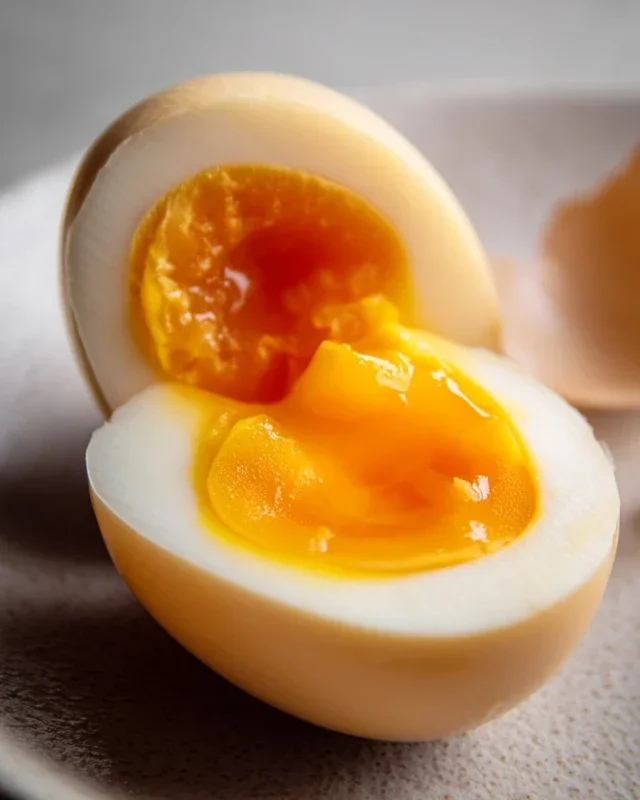
There’s something incredibly special about a perfectly prepared ramen egg, or ajitama. That glossy, slightly jammy yolk nestled within a tender, savory white is the crowning jewel of any bowl of ramen. While it might seem intimidating to achieve this restaurant-quality perfection at home, I’m here to tell you it’s surprisingly achievable! My recipe for ajitama focuses on creating a balanced, flavorful marinade that infuses the eggs beautifully, resulting in a taste that will elevate your noodle soup experience to a whole new level. Forget those bland, plain hard-boiled eggs; it’s time to dive into the delicious world of marinated ramen eggs.
Ingredients:
*Note on eggs: For the best results, I recommend using eggs that are at least a few days old. Fresher eggs can be more difficult to peel cleanly. If you only have very fresh eggs, you can try adding a splash of vinegar to the boiling water, which is said to help with peeling.
Cooking Instructions
Preparing these ramen eggs is a two-part process: perfectly boiling the eggs and then marinating them. Each step is crucial for achieving that signature texture and flavor.
Part 1: Achieving the Perfect Soft-Boil
The key to a great ajitama is the perfect soft-boiled egg. We’re aiming for a yolk that’s still a little runny but not completely liquid – that beautiful, custard-like consistency is what we’re after.
1. Prepare Your Boiling Station: Get a medium saucepan and fill it with enough water to comfortably cover the eggs by about an inch. If you’re using very fresh eggs or are prone to difficulty peeling, now is the time to add a splash of vinegar to the water. Bring the water to a rolling boil over medium-high heat.
2. Gently Introduce the Eggs: Once the water is at a vigorous boil, carefully lower your eggs into the water. You can use a slotted spoon or even a spider strainer to gently place them in to avoid cracking. The moment the eggs hit the boiling water, start your timer. For a perfectly jammy yolk, I find 6 to 6.5 minutes to be ideal. If you prefer a slightly firmer yolk, you can go up to 7 minutes, but I wouldn’t recommend going any longer if you want that characteristic ramen egg texture. Don’t overcrowd the pot; cook the eggs in batches if necessary to ensure even cooking and easy handling.
3. Immediate Ice Bath: As soon as your timer goes off, immediately remove the eggs from the boiling water using your slotted spoon or spider. Transfer them directly into an ice bath. This is a critical step! The ice bath instantly stops the cooking process, preventing the yolks from continuing to cook and becoming hard. It also helps to firm up the egg whites, which makes peeling much easier. Let the eggs chill in the ice bath for at least 10-15 minutes, or until they are completely cool to the touch.
Part 2: Crafting the Flavorful Marinade and Marinating
While your eggs are chilling, we can prepare the delicious marinade that will transform them into ajitama. This marinade is a fantastic blend of salty, sweet, and umami flavors.
4. Mix the Marinade: In a small saucepan, combine the ½ cup of light sodium soy sauce, ¼ cup of water, ¼ cup of non-non-non-alcoholic alternativeic non-alcoholic mirin, and 2 tablespoons of granulated sugar. Stir everything together and heat it gently over medium-low heat, stirring occasionally, just until the sugar has completely dissolved. You don’t need to boil this mixture; we just want to ensure everything is well combined and the sugar is incorporated. Once dissolved, remove it from the heat and let it cool slightly.
5. Peel and Marinate: Now comes the exciting part! Once your eggs are thoroughly chilled, it’s time to peel them. Gently tap the wider end of each egg on a hard surface, then roll it between your palms to crack the shell all over. Starting from the wider end, carefully peel away the shell under cool running water. The water helps to get under the membrane and makes peeling much smoother. Once all your eggs are peeled, place them into a resealable bag or a small airtight container. Pour the slightly cooled marinade over the eggs, ensuring they are fully submerged. If the marinade doesn’t quite cover them, you can add a tiny bit more water or soy sauce to top it off.
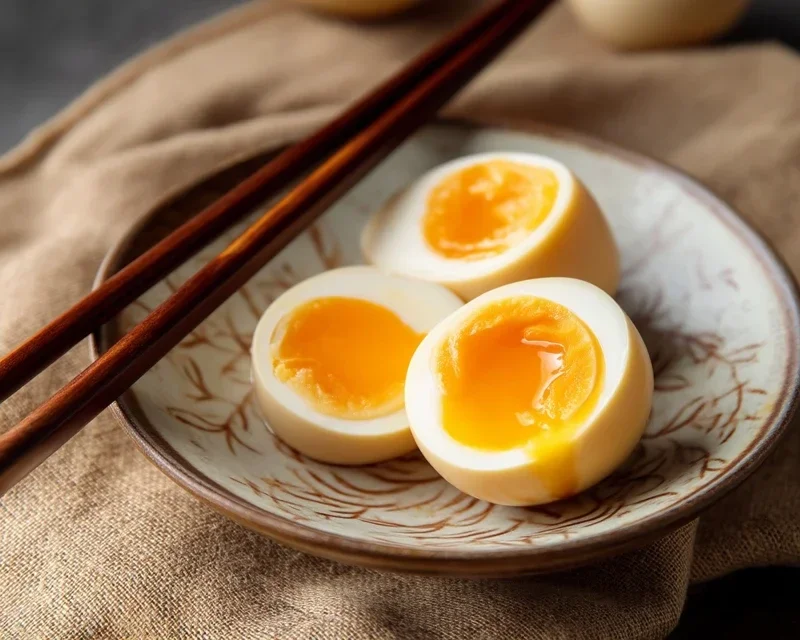
6. The Waiting Game (and the Reward!): Seal the bag or container tightly and refrigerate for at least 4 hours, but for the best flavor, I highly recommend marinating them for 8-24 hours. The longer they marinate, the deeper the flavor will penetrate the egg white, and the beautiful golden-brown hue will develop. You can even turn the bag or container periodically to ensure even marbling on the eggs. When you’re ready to serve, simply slice the ajitama in half lengthwise, revealing that stunning, golden yolk. These ramen eggs are truly a labor of love, and the reward is so, so worth it! Enjoy them in your favorite ramen, on top of rice bowls, or even as a unique appetizer.
Conclusion:
There you have it! Making perfect Ramen Eggs, or Ajitama, at home is surprisingly simple and incredibly rewarding. These savory, marinated soft-boiled eggs are truly a game-changer for elevating your ramen bowls. Their custardy yolks and umami-rich flavor profile add a depth and deliciousness that store-bought eggs simply can’t replicate. The beauty of this recipe lies in its versatility; it’s not just for ramen! I love adding them to rice bowls, salads, or even just enjoying them as a standalone snack. Don’t be afraid to experiment with the marinade – a splash of non-alcoholic mirin for sweetness, a bit of chili oil for a kick, or even some toasted sesame seeds for extra aroma are all fantastic additions. I genuinely encourage you to give this Ramen Egg recipe a try. It’s a small effort for a massive flavor payoff!
Frequently Asked Questions about Ramen Eggs:
How long do Ramen Eggs last in the refrigerator?
Once prepared and stored in an airtight container with some of the marinade, your delicious Ramen Eggs should stay fresh in the refrigerator for about 3 to 5 days. Make sure to use a container that seals well to prevent them from drying out.
Can I adjust the marinating time for a different level of flavor?
Absolutely! The marinating time is your playground. For a milder flavor, 4-8 hours is usually sufficient. If you prefer a more intense, deeply infused Ajitama, you can marinate them for up to 24 hours. Just keep an eye on them to ensure the yolks don’t become too firm or develop a greenish hue from over-marinating.
What’s the best way to achieve that perfect jammy yolk?
The key to a jammy yolk is precise boiling time. I’ve found that boiling large eggs for exactly 6.5 to 7 minutes after they reach a rolling boil, followed immediately by an ice bath, yields the most consistently perfect results. Don’t overcrowd your pot, and ensure the eggs are at room temperature before boiling to minimize cracking.
Ramen Eggs (Ajitama)
Delicious marinated soft-boiled eggs, perfect for topping ramen or enjoying as a snack.
Ingredients
-
6 large eggs
-
Vinegar (optional)
-
1/2 cup soy sauce (light sodium)
-
1/4 cup water
-
1/4 cup non-alcoholic mirin
-
2 tablespoons granulated sugar
Instructions
-
Step 1
Gently place eggs into a saucepan and cover with cold water. Add a splash of vinegar if using. -
Step 2
Bring water to a rolling boil over high heat, then immediately reduce heat to medium-low and simmer for exactly 6 minutes for a soft, jammy yolk. Adjust time for desired doneness. -
Step 3
While eggs cook, prepare the marinade: in a small bowl, whisk together soy sauce, water, non-alcoholic mirin, and granulated sugar until the sugar is dissolved. -
Step 4
Immediately transfer the cooked eggs to an ice bath to stop the cooking process. Let them chill for at least 5 minutes. -
Step 5
Carefully peel the chilled eggs. -
Step 6
Place the peeled eggs in a resealable bag or container and pour the marinade over them, ensuring they are fully submerged. Marinate in the refrigerator for at least 4 hours, or preferably overnight, for best flavor.
Important Information
Nutrition Facts (Per Serving)
It is important to consider this information as approximate and not to use it as definitive health advice.
Allergy Information
Please check ingredients for potential allergens and consult a health professional if in doubt.