Healthy Sautéed Vegetables Quick Flavorful Side
Healthy Sautéed Vegetables – Quick, Flavorful & Nutritious Side – is more than just a dish; it’s a culinary superhero ready to swoop in and elevate any meal. Are you tired of bland, mushy vegetables that feel like a chore to eat? Do you crave a side dish that’s as vibrant and exciting as your main course, but without the guilt? Then you’ve come to the right place! What makes these healthy sautéed vegetables so universally loved is their incredible versatility and the sheer speed at which they transform. In just minutes, humble produce becomes a symphony of textures and tastes. This isn’t your grandma’s boiled broccoli (no offense, Grandma!). We’re talking about a quick sauté that locks in nutrients and amplifies natural flavors, creating a truly irresistible side that even the pickiest eaters will devour.
Why You’ll Love This Recipe
It’s a Weeknight Wonder
Life gets busy, and sometimes a healthy, delicious side feels out of reach. This recipe is designed for those nights. Packed with vitamins and fiber, it’s a guilt-free way to boost your nutrient intake without spending hours in the kitchen. The magic lies in the high heat and minimal cooking time, which keeps your vegetables crisp-tender and bursting with flavor.
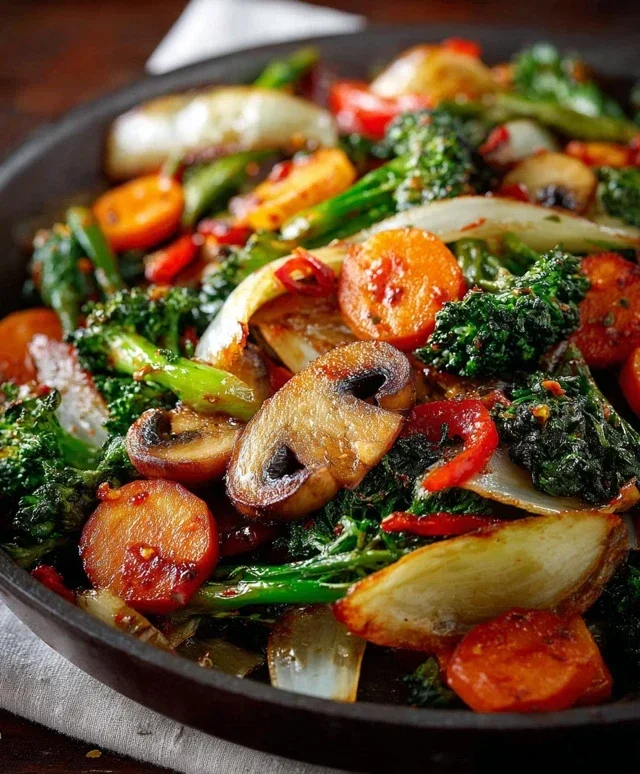
Healthy Sautéed Vegetables – Quick, Flavorful & Nutritious Side
Looking for a way to elevate your meals with a burst of color, flavor, and essential nutrients? My go-to for a quick and satisfying side dish is this simple yet incredibly versatile healthy sautéed vegetables recipe. It’s the perfect way to pack in a variety of vitamins and minerals without sacrificing taste or spending hours in the kitchen. Whether you’re a seasoned cook or just starting out, this recipe is incredibly forgiving and adaptable to whatever vegetables you have on hand. The beauty of sautéing is that it locks in the vibrant flavors and textures of the vegetables, creating a dish that’s both delicious and incredibly good for you. I love serving this alongside grilled chicken, fish, or even as a hearty addition to a grain bowl. Let’s get cooking!
Ingredients:
The Art of the Sauté: Getting Started
Before we even think about heat, it’s crucial to have all your vegetables prepped and ready to go. Sautéing is a fast cooking method, and once the pan is hot, things move quickly. Taking the time to chop, slice, and mince your ingredients beforehand will make the entire process smooth and enjoyable. I like to aim for relatively uniform sizes for each vegetable to ensure they cook evenly. For instance, slicing the zucchini into half-moons of similar thickness prevents some pieces from becoming mushy while others remain too firm. Similarly, julienning the carrot or slicing it thinly allows it to soften in the same timeframe as the other vegetables. Don’t be afraid to get creative with your vegetable choices! This recipe is a fantastic template, and you can easily swap in things like asparagus, green beans, cauliflower, or even chopped knon-alcoholic ale or spinach. Just be mindful of their cooking times – delicate greens will wilt in seconds, so they’re usually added towards the very end.
Step-by-Step Sautéing Mastery
1. Preparing Your Foundation: Building Flavor
Begin extract by heating your chosen fat – I often opt for olive oil for its healthy fats and mild flavor, but avocado oil has a higher smoke point, and butter adds a lovely richness. Place your skillet, preferably a large one or a well-seasoned cast iron pan, over medium-high heat. Once the oil is shimmering, add the thinly sliced onion. We’re looking to sauté the onion until it becomes translucent and starts to soften, which usually takes about 3-5 minutes. This initial step is crucial for building a sweet and savory base for your vegetables. Stir occasionally to prevent sticking.
2. Introducing the Aromatics and Hardy Veggies
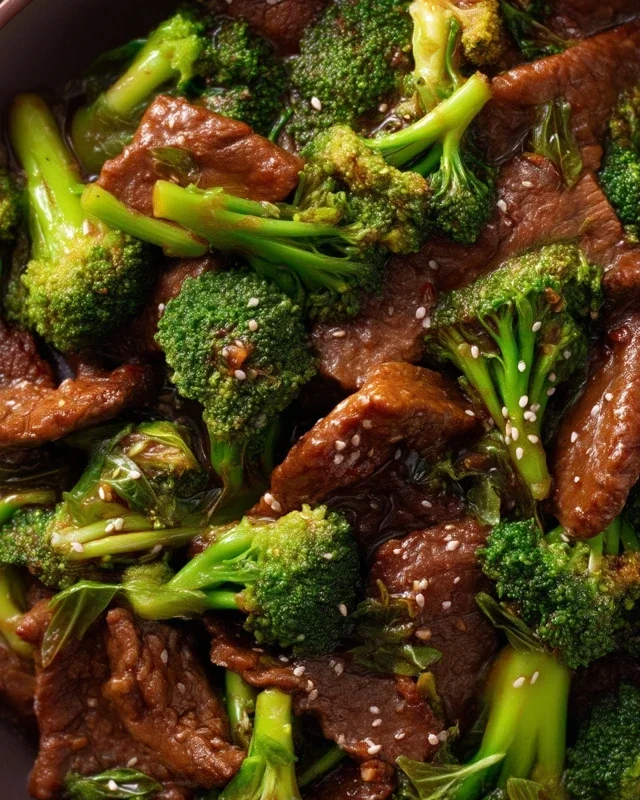
Next, add the minced garlic to the pan. Be careful not to burn the garlic, as this can make it bitter. Stir it around for about 30 seconds until it becomes fragrant. Immediately follow with the harder vegetables that require a bit more cooking time: the bell pepper, zucchini, broccoli florets, and carrots. Give everything a good stir to coat the vegetables in the fragrant oil. We want to start softening these ingredients, so let them cook for about 5-7 minutes, stirring frequently. You’re looking for them to start becoming tender-crisp, meaning they still have a slight bite to them.
3. Adding the Quick-Cookers and Seasoning
Now it’s time to introduce the snap peas and mushrooms. These vegetables cook much faster than the others. Continue to sauté for another 3-5 minutes, stirring often, until the snap peas are bright green and tender-crisp, and the mushrooms have released their moisture and started to brown slightly. This is also the moment to season generously with salt and freshly ground black pepper. Don’t underestimate the power of good seasoning – it truly brings out the natural flavors of the vegetables.
4. The Flavor Boost: Acidity and Umami
Once your vegetables have reached your desired level of tenderness, it’s time for the optional flavor enhancers. Drizzle in the lemon juice for a bright, zesty finish, or opt for balsamic vinegar or soy sauce for a deeper, more umami-rich flavor profile. Stir everything together for another minute to allow these final additions to meld with the vegetables. This step is where you can really customize the dish to your liking. If you prefer a milder flavor, you might skip these, but I find they add a wonderful complexity.
5. Finishing Touches and Serving Perfection
Taste your sautéed vegetables and adjust seasoning if needed. You want a harmonious balance of flavors. Remove the pan from the heat. For an extra layer of flavor and texture, consider adding some of the optional toppings. Toasted nuts like slivered almonds or pine nuts add a delightful crunch, while a sprinkle of fresh herbs such as parsley, chives, or cilantro can brighten things up considerably. For a touch of cheesy goodness, a sprinkle of grated Parmesan cheese is always a winner. Serve immediately as a vibrant and healthy side dish that complements almost any main course.
Enjoy this simple, nutritious, and incredibly adaptable sautéed vegetable dish! It’s a testament to how healthy eating can be both delicious and incredibly easy.
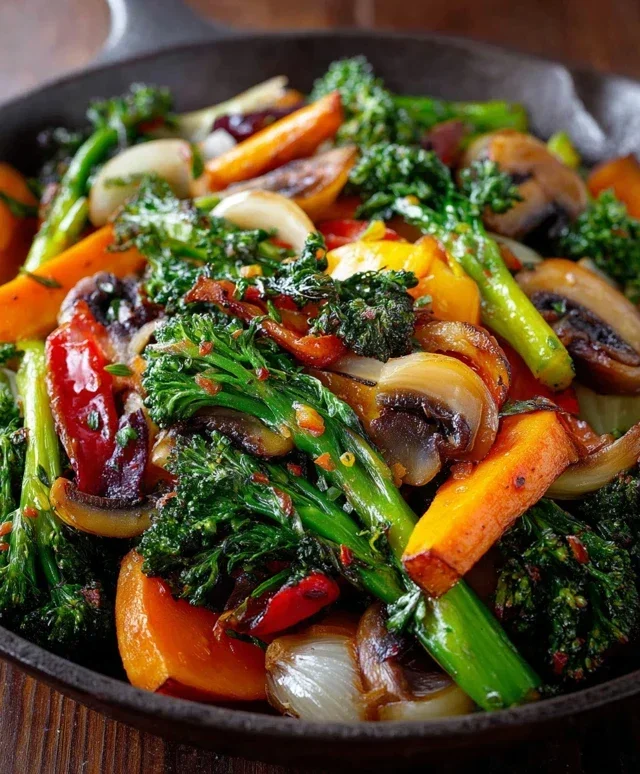
Conclusion:
I hope you’re as excited as I am about these healthy sautéed vegetables! This recipe truly delivers on its promise of being quick, flavorful, and incredibly nutritious. It’s such a versatile and simple way to boost the nutritional content of any meal, and the best part is how effortlessly it transforms humble vegetables into something truly delicious. Whether you’re a seasoned cook or just starting in the kitchen, this method is incredibly forgiving and yields fantastic results every time. It’s the perfect go-to side dish that complements almost anything, from grilled chicken and fish to hearty stews and even simple pasta dishes. Don’t be afraid to experiment and make it your own!
For serving, I love pairing these vibrant sautéed vegetables with lean proteins or grains like quinoa or brown rice. They also make a fantastic topping for loaded baked potatoes or can be stirred into omelets for a nutritious breakfast boost. Feel free to swap out vegetables based on what’s in season or what you have on hand – broccoli, bell peppers, zucchini, snap peas, and mushrooms are all excellent choices. A sprinkle of sesame seeds or a drizzle of soy sauce can add another layer of flavor. Give this recipe a try; I’m confident you’ll find it to be a staple in your healthy eating repertoire!
Frequently Asked Questions:
Can I use frozen vegetables?
Absolutely! Frozen vegetables are a convenient and often equally nutritious option. Ensure they are completely thawed and patted dry before sautéing to prevent them from becoming watery. You might need to adjust the cooking time slightly.
What kind of oil is best for sautéing?
For healthy sautéing, I prefer using oils with a higher smoke point that are rich in monounsaturated fats, such as extra virgin extract olive oil or avocado oil. These oils can withstand the heat of sautéing without breaking down and losing their beneficial properties.
How can I make the vegetables spicier?
To add a kick, consider incorporating a pinch of red pepper flakes along with your other seasonings. A dash of hot sauce or a finely minced fresh chili pepper during the sautéing process will also do the trick!
Healthy Sautéed Vegetables – Quick, Flavorful & Nutritious Side
A vibrant and healthy sautéed vegetable dish, perfect as a quick and nutritious side. Packed with flavor and customizable with optional additions.
Ingredients
-
2 tbsp olive oil
-
2 cloves garlic, minced
-
1 small onion, thinly sliced
-
1 bell pepper, sliced
-
1 zucchini, sliced into half-moons
-
1 cup broccoli florets
-
1 medium carrot, julienned or sliced thin
-
½ cup snap peas
-
½ cup mushrooms, sliced
-
Salt, to taste
-
Black pepper, to taste
-
1 tsp lemon juice
-
1 tsp balsamic vinegar
Instructions
-
Step 1
Heat olive oil in a large skillet or wok over medium-high heat. -
Step 2
Add minced garlic and thinly sliced onion to the hot oil and sauté for 1-2 minutes until fragrant. -
Step 3
Add the sliced bell pepper, zucchini, broccoli florets, julienned carrot, and snap peas to the skillet. Stir-fry for 5-7 minutes until vegetables are tender-crisp. -
Step 4
Add the sliced mushrooms and continue to cook for another 3-5 minutes until softened. -
Step 5
Season with salt and black pepper to taste. Stir in lemon juice and balsamic vinegar (if using) just before serving. -
Step 6
Serve immediately as a healthy and flavorful side dish. Optional toppings like toasted nuts, seeds, fresh herbs, or grated Parmesan can be added.
Important Information
Nutrition Facts (Per Serving)
It is important to consider this information as approximate and not to use it as definitive health advice.
Allergy Information
Please check ingredients for potential allergens and consult a health professional if in doubt.