
Easy Chimichurri Sauce Recipe – Fresh Herb Flavor
Chimichurri sauce recipe – the vibrant, herbaceous elixir that can transform grilled meats, roasted vegetables, and even a simple piece of bread into something extraordinary! If you’ve ever savored the bright, zesty punch of authentic Argentinian cuisine, chances are you’ve encountered this legendary condiment. But what is it about this simple blend of fresh herbs, garlic, vinegar, and oil that captures our taste buds and keeps us coming back for more? It’s the perfect harmony of fresh, pungent ingredients that create a flavor profile that’s simultaneously sharp, savory, and incredibly satisfying. This isn’t just a sauce; it’s an experience. The magic of a well-made chimichurri sauce recipe lies in its ability to cut through richness and add a refreshing counterpoint, elevating every bite. Get ready to unlock the secret to your own perfect batch!
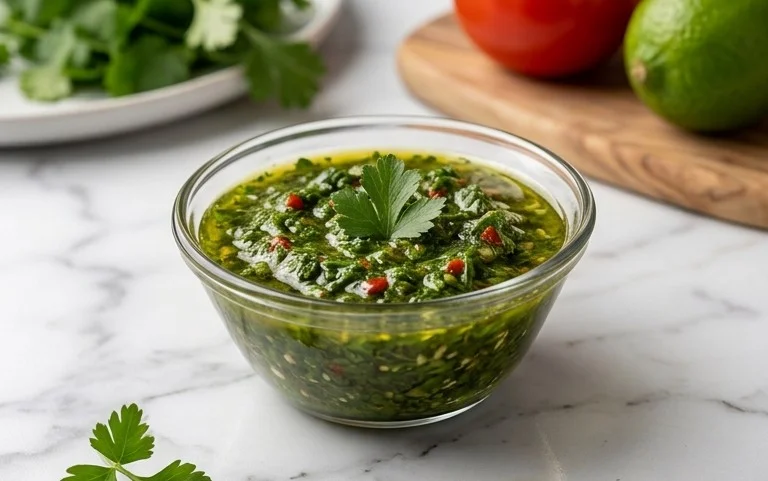
Chimichurri Sauce Recipe
There are some sauces that are so vibrant, so bursting with fresh flavor, they can elevate even the simplest meal to something spectacular. Chimichurri is one of those sauces. Hailing from Argentina and Uruguay, this herbaceous, garlicky condiment is traditionally served with grilled meats, but its versatility knows no bounds. It’s a revelation on roasted vegetables, a bright counterpoint to rich stews, and even a delightful dip for crusty bread. Making it from scratch is incredibly simple, and the difference in taste and aroma is truly night and day compared to anything store-bought. You get that incredible fresh herbaceousness, a delightful tang, and just the right amount of heat. So, let’s dive into creating this culinary masterpiece right in your own kitchen!
The beauty of chimichurri lies in its simplicity and the quality of its fresh ingredients. It’s less about cooking and more about the art of finely chopping and emulsifying. This recipe is my go-to, a perfect balance of herbs, acid, and a touch of spice that I’ve honed over time. It’s a sauce that’s as forgiving as it is forgiving, meaning even if your chopping isn’t perfectly uniform, the end result will still be delicious.
Ingredients:
Instructions:
Step 1: Prepare Your Herbs and Aromatics
The foundation of any great chimichurri is fresh, vibrant herbs. Start by thoroughly washing and drying your parsley, cilantro, and oregano. It’s crucial to remove the stems from the parsley and cilantro as they can impart a slightly bitter or woody texture that we don’t want in our smooth sauce. For the oregano, if the stems are thin and tender, you can leave them on, but if they’re woody, it’s best to strip the leaves off. Once your herbs are prepped, give them a rough chop. Don’t worry about making it too fine at this stage; the food processor or a sharp knife will do most of the work. Next, peel your garlic cloves. If you’re using red onion, give it a good rinse after chopping to mellow its pungency slightly before adding it to the mix.
Step 2: Pulse for Texture
This is where we start building the body of our chimichurri. You have two main options here: a food processor or a good old-fashioned knife and cutting board. If using a food processor, add the chopped herbs, red onion (or shallots), peeled garlic cloves, and red pepper flakes to the bowl. Pulse in short, quick bursts. You’re aiming for a finely minced consistency, but you don’t want to turn it into a paste. It should have some texture, with tiny flecks of herbs and onion visible. If you’re going the manual route, finely mince all the herbs, onion, and garlic. Then, in a bowl, combine them with the red pepper flakes and give them a good stir. This traditional method often yields a wonderfully rustic chimichurri.
Step 3: Emulsify with Liquids
Now it’s time to introduce the liquids that will bring our chimichurri to life. Pour the extra-virgin extract olive oil, red grape juice vinegar, and fresh lemon juice into the bowl with your chopped herbs and aromatics. If you used a food processor, you can either pulse these in, or remove the herb mixture and combine it with the liquids in a separate bowl for better control. If you’re whisking by hand, pour the liquids over the herb mixture and begin extract whisking vigorously. The goal here is to emulsify the ingredients, creating a cohesive sauce. You’ll notice the mixture start to thicken and become more uniform in color. The lemon juice and vinegar provide that essential bright tang, while the olive oil adds richness and helps meld all the flavors together.
Step 4: Season and Taste
This is a critical step for any sauce, and chimichurri is no exception. Add the kosher salt to the mixture. Again, if you used a food processor, give it a final pulse or two to incorporate the salt. If you’re mixing by hand, stir it in thoroughly. Now comes the most important part: tasting! Dip a spoon in and taste your chimichurri. Does it need more salt? A bit more tang? You can adjust the acidity by adding a touch more lemon juice or vinegar. If you want more heat, you can always add a pinch more red pepper flakes. Remember, the flavors will meld and intensify as the sauce sits, so it’s better to be slightly under-seasoned at this point and adjust later.
Step 5: Let the Flavors Meld
This is perhaps the hardest part – waiting! While you can serve your chimichurri immediately, I highly recommend letting it sit for at least 30 minutes at room temperature, or even better, a few hours in the refrigerator. This resting period allows all those vibrant flavors to meld and deepen. The garlic will mellow slightly, the herbs will release their oils more fully, and the tang of the vinegar and lemon will become more pronounced and balanced. Before serving, give it a good stir as the olive oil might separate slightly. You can store leftover chimichurri in an airtight container in the refrigerator for up to a week. The flavors are often even better on the second day!
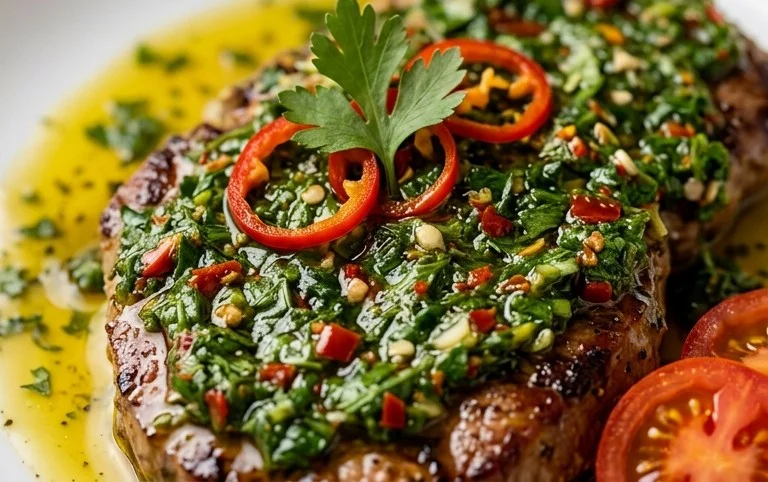
This chimichurri sauce is a game-changer. It’s perfect drizzled over grilled steak, chicken, or fish. It’s fantastic tossed with roasted potatoes or vegetables like asparagus and broccoli. Try it as a sandwich spread, a dip for empanadas, or even mixed into a vinaigrette for a salad. The possibilities are truly endless, and the bright, fresh flavor will always impress. Enjoy!
Conclusion:
I hope you’re excited to whip up this vibrant and incredibly versatile Chimichurri Sauce Recipe! This herb-packed sauce is a game-changer for any meal, offering a fresh, zesty kick that elevates everything it touches. Its simplicity is part of its brilliance – fresh ingredients blended into a potent flavor explosion. Whether you’re grilling steak, roasting chicken, or drizzling it over roasted vegetables, this chimichurri is sure to impress. Don’t be afraid to experiment with serving it alongside fish tacos, as a dip for empanadas, or even mixed into a potato salad for an unexpected twist.
Remember, chimichurri is wonderfully adaptable. If you’re not a fan of cilantro, feel free to omit it and increase the parsley. A touch of red pepper flakes can add a pleasant warmth if you like a bit of spice. The beauty of this recipe is its flexibility. So, I truly encourage you to give it a try! You might just find your new favorite condiment.
Frequently Asked Questions:
How long does chimichurri sauce last?
Freshly made chimichurri sauce can typically be stored in an airtight container in the refrigerator for up to 1 week. The bright green color might fade slightly over time, but the flavor will remain delicious. It’s best to give it a good stir before using.
Can I make chimichurri ahead of time?
Absolutely! In fact, chimichurri often tastes even better after its flavors have had a chance to meld for a few hours or overnight in the refrigerator. This makes it a perfect make-ahead option for parties or busy weeknights.
What if I don’t have fresh oregano?
While fresh oregano is ideal for chimichurri’s bright flavor, you can substitute dried oregano in a pinch. Use about 1 teaspoon of dried oregano for every tablespoon of fresh. Keep in mind that the flavor will be slightly less vibrant compared to using fresh herbs.
Chimichurri Sauce Recipe
A vibrant and herbaceous Argentinian sauce perfect for grilling meats or as a flavorful condiment.
Ingredients
-
1 cup fresh Italian flat-leaf parsley, leaves only, stems removed
-
1/4 cup fresh cilantro, leaves only, stems removed
-
1/4 cup fresh oregano, leaves only, stems removed
-
1/3 cup roughly chopped red onion
-
3 cloves garlic, peeled
-
1/2 teaspoon red pepper flakes
-
1/2 cup extra-virgin olive oil
-
1/4 cup red grape juice vinegar
-
3 tablespoons fresh lemon juice
-
1 teaspoon kosher salt
Instructions
-
Step 1
Finely chop the fresh parsley, cilantro, and oregano. You can do this by hand or pulse them briefly in a food processor. -
Step 2
Finely mince the chopped red onion and the peeled garlic cloves. -
Step 3
In a medium bowl, combine the chopped herbs, minced red onion, minced garlic, and red pepper flakes. -
Step 4
Add the extra-virgin olive oil, red grape juice vinegar, fresh lemon juice, and kosher salt to the bowl. -
Step 5
Stir everything together until well combined. Taste and adjust seasoning as needed. -
Step 6
For best flavor, let the chimichurri sauce sit at room temperature for at least 10 minutes before serving to allow the flavors to meld.
Important Information
Nutrition Facts (Per Serving)
It is important to consider this information as approximate and not to use it as definitive health advice.
Allergy Information
Please check ingredients for potential allergens and consult a health professional if in doubt.