Decadent Beef Wellington Recipe- A Classic Delight
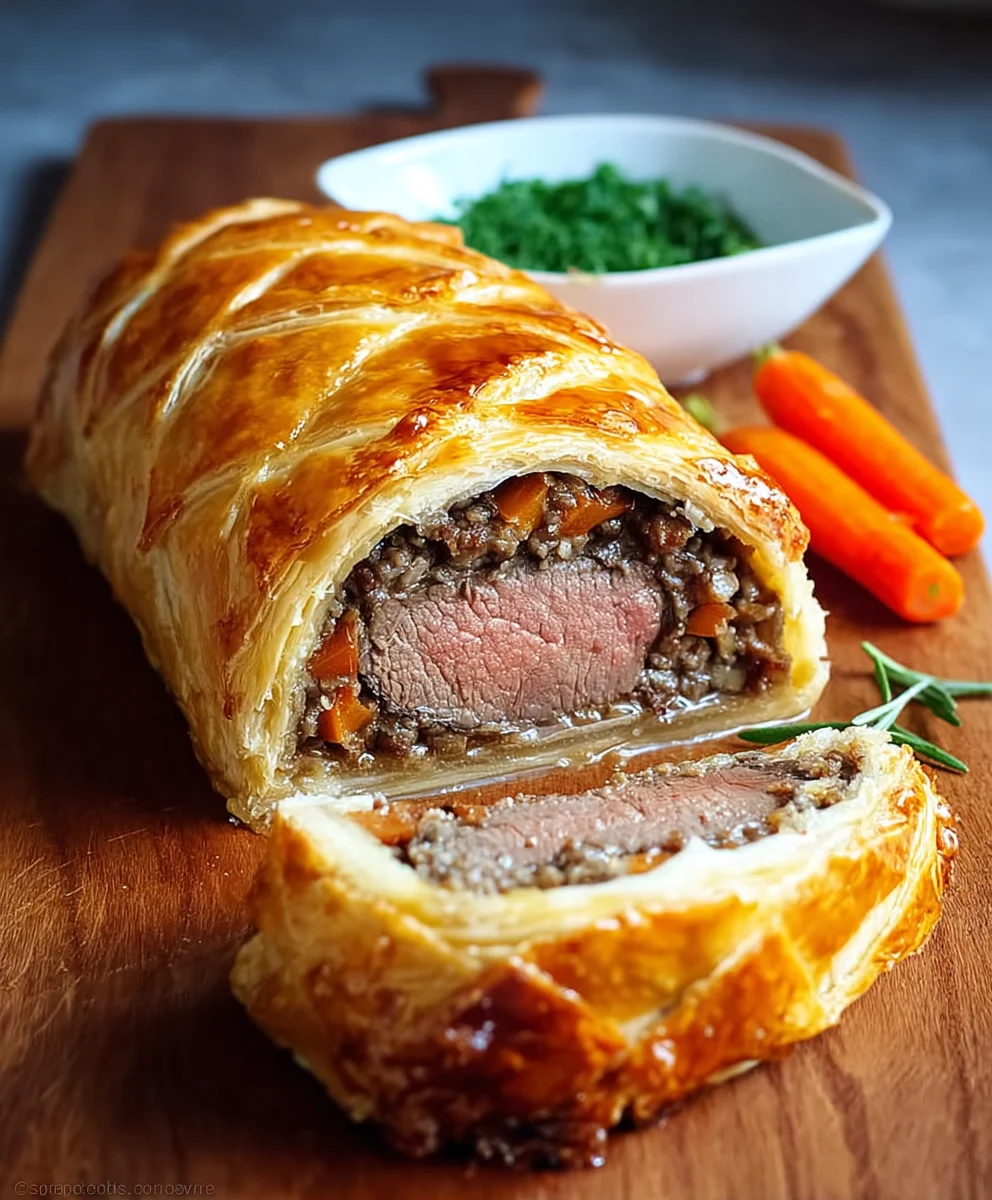
Beef Wellington is more than just a dish; it’s an event. It’s that showstopper you pull out for truly special occasions, the one that garners gasps of admiration and rounds of applause before a single forkful has even been taken. There’s an undeniable magic to its construction – a perfectly cooked, tender fillet of beef, enveloped in a rich mushroom duxelles, a delicate layer of beef prosciutto, and finally, all of it encased in a golden, flaky puff pastry crust. This isn’t just a meal; it’s a culinary masterpiece, a testament to patience and precision, and the sheer joy of creating something utterly spectacular from scratch. The anticnon-alcoholic ipation builds with every perfectly crimped edge of pastry, and the reward? A symphony of textures and flavors that makes every single step worthwhile. Get ready to impress with this incredible Beef Wellington.
Ingredients:
- 1 medium onion, finely chopped
- 1 carrot, peeled and finely chopped
- 1 stalk celery, finely chopped
- 1 medium potato, peeled and finely chopped
- 4 sprigs fresh rosemary, leaves picked and finely chopped
- 2 tablespoons olive oil
- 2 cloves garlic, minced
- 1 lb 1.6 oz minced beef (about 500g)
- 1 teaspoon salt
- 1 teaspoon black pepper
- 1 large egg, beaten (for egg wash)
- 1 lb 1.6 oz puff pastry (about 500g), thawed if frozen
Preparing the Filling
Sautéing the Vegetables
This is where we build the foundational flavor for our Beef Wellington. Start by heating the 2 tablespoons of olive oil in a large skillet over medium heat. Once the oil is shimmering, add the finely chopped onion, carrot, and celery. We want these vegetables to soften and become translucent, which will take about 8-10 minutes. Stir them occasionally to ensure even cooking and to prevent any sticking or burning. This process is called sweating the vegetables, and it releases their natural sweetness. Next, add the minced garlic and the chopped rosemary leaves to the skillet. Cook for another minute until fragrant, being careful not to burn the garlic as it can turn bitter quickly.
Cooking the Minced Beef
Now it’s time to introduce the star of our filling: the minced beef. Increase the heat slightly to medium-high and add the 1 lb 1.6 oz of minced beef to the skillet with the softened vegetables. Break up the meat with your spoon and cook until it is browned all over. This usually takes about 5-7 minutes. Drain off any excess fat from the skillet; this will prevent the pastry from becoming soggy later on. Season the beef and vegetable mixture generously with 1 teaspoon of salt and 1 teaspoon of black pepper. Stir everything together well to distribute the seasoning evenly.
Adding the Potato and Cooling
This step might seem a little unusual, but the finely chopped potato is a key ingredient for binding our filling and absorbing any moisture, ensuring a cleaner bake. Add the finely chopped potato to the skillet with the beef and vegetables. Stir and cook for a further 3-4 minutes, allowing the potato to soften slightly and absorb some of the flavors. Once everything is well combined and the beef is fully cooked, remove the skillet from the heat. It’s crucial to let this mixture cool down completely before proceeding to the next stage. You can spread it out on a plate or baking sheet to speed up the cooling process. A cold filling will make handling the puff pastry much easier.
Assembling the Beef Wellington
Shaping the Pastry and Filling
Once your beef and vegetable filling has cooled completely, it’s time to assemble the Wellington. Lightly flour your work surface and carefully unroll or unfold your 1 lb 1.6 oz of puff pastry. You may need to gently roll it out a little further to create a rectangle large enough to encase the filling. Aim for a thickness of about 1/8 inch. Spoon the cooled beef and vegetable mixture onto the center of the puff pastry, forming it into a neat log shape. Leave a border of about 2 inches around the edges of the pastry. This border is essential for sealing the Wellington.
Sealing and Decorating the Wellington
Now, we need to seal in all that delicious filling. Brush the edges of the puff pastry with some of the beaten egg wash. This acts like glue, helping to secure the pastry. Carefully fold one side of the pastry over the filling, then fold the other side over, overlapping the first side. Press the edges firmly together to create a good seal. You can then trim any excess pastry. For a professional finish and to help the pastry cook evenly, you can crimp the edges with a fork. If you have any leftover pastry scraps, you can use them to create decorative elements like leaves or lattice patterns on top of your Wellington. Remember to brush the entire surface of the Wellington with the remaining egg wash. This will give it a beautiful golden-brown sheen when baked. You can also score the top of the pastry lightly with a sharp knife to allow steam to escape.
Baking the Beef Wellington
Initial Bake for Golden Pastry
Preheat your oven to 400°F (200°C). Place the assembled Beef Wellington onto a baking sheet lined with parchment paper. Bake for approximately 20-25 minutes, or until the puff pastry is golden brown and puffed up. This initial high heat is important for achieving a crisp and flaky pastry. Keep an eye on it to prevent it from burning.
Reducing Heat for Thorough Cooking
After the initial bake, reduce the oven temperature to 350°F (175°C). Continue to bake for another 15-20 minutes. This lower temperature allows the filling to heat through completely without the pastry overcooking or burning. The total baking time will vary depending on your oven, so it’s always best to check for doneness. The pastry should be a deep golden brown, and if you insert a skewer into the center, it should feel hot.
Resting the Wellington
This is a crucial step that many people overlook. Once your Beef Wellington is out of the oven, let it rest on a cutting board for at least 10-15 minutes before slicing and serving. This resting period allows the juices within the beef to redistribute, resulting in a more tender and moist final product. If you slice it immediately, all those delicious juices will run out onto the cutting board, leaving your Wellington dry.

Conclusion:
You’ve now mastered the art of creating a truly show-stopping dish: the Beef Wellington! We’ve walked through each step, from searing the tender beef tenderloin to crafting that perfectly flaky puff pastry crust. This classic recipe, while requiring a bit of care and attention, is incredibly rewarding. Imagin extracte presenting a perfectly golden-brown, beautifully sliced Beef Wellington at your next special occasion – it’s guaranteed to impress your guests and create lasting culinary memories. Don’t be afraid to give it a try; the journey of making it is as enjoyable as the delicious outcome.
For serving, the Beef Wellington is truly a centerpiece. It pairs wonderfully with classic accompaniments like roasted root vegetables, creamy mashed potatoes, or a simple green salad with a vinaigrette. A rich red grape juice sauce or a port reduction also complements the flavors beautifully.
Feel free to explore variations! You could try a mushroom duxelles made with shiitake or cremini mushrooms for a deeper flavor. Some adventurous cooks also experiment with adding a layer of beef prosciutto or smoked salmon beneath the pastry for an extra layer of richness.
So, go ahead, gather your ingredients, and embark on creating your very own magnificent Beef Wellington. You’ve got this!
Frequently Asked Questions:
Q: Can I make Beef Wellington ahead of time?
A: Yes, you can prepare some components of the Beef Wellington in advance. The mushroom duxelles can be made a day or two ahead and stored in the refrigerator. You can also sear the beef and wrap it tightly in plastic wrap and refrigerate it. It’s generally best to assemble and bake the Beef Wellington closer to serving time for optimal pastry texture, but the prepared elements allow for smoother assembly.
Q: What is the best way to ensure the puff pastry is cooked through and golden?
A: Make sure your oven is preheated to the correct temperature and that the puff pastry is well-chilled before baking. You can also egg wash the pastry generously for a beautiful, even golden-brown color. If you notice the pastry browning too quickly before the beef is cooked, you can loosely tent the Beef Wellington with foil.
Decadent Beef Wellington Recipe – A Classic Delight
A classic and decadent Beef Wellington recipe, featuring a savory minced beef and vegetable filling encased in flaky puff pastry.
Ingredients
-
1 medium onion, finely chopped
-
1 carrot, peeled and finely chopped
-
1 stalk celery, finely chopped
-
1 medium potato, peeled and finely chopped
-
4 sprigs fresh rosemary, leaves picked and finely chopped
-
2 tablespoons olive oil
-
2 cloves garlic, minced
-
1 lb 1.6 oz minced beef
-
1 teaspoon salt
-
1 teaspoon black pepper
-
1 large egg, beaten (for egg wash)
-
1 lb 1.6 oz puff pastry, thawed if frozen
Instructions
-
Step 1
Sauté finely chopped onion, carrot, and celery in olive oil until translucent (8-10 minutes). Add minced garlic and chopped rosemary, cook for 1 minute until fragrant. -
Step 2
Add minced beef to the skillet over medium-high heat. Cook until browned (5-7 minutes). Drain excess fat. Season with salt and pepper. -
Step 3
Stir in finely chopped potato and cook for 3-4 minutes until slightly softened. Remove from heat and let the filling cool completely. -
Step 4
Lightly flour a surface and roll out puff pastry to about 1/8 inch thickness. Spoon the cooled filling onto the center, shaping it into a log, leaving a 2-inch border. -
Step 5
Brush pastry edges with beaten egg wash. Fold one side of the pastry over the filling, then the other, overlapping and pressing edges to seal. Trim excess pastry and crimp edges with a fork. Decorate with pastry scraps if desired. Brush the entire Wellington with egg wash. -
Step 6
Preheat oven to 400°F (200°C). Bake the Wellington on a parchment-lined baking sheet for 20-25 minutes until golden brown and puffed. -
Step 7
Reduce oven temperature to 350°F (175°C) and bake for another 15-20 minutes until heated through and a deep golden brown. Allow to rest for 10-15 minutes before slicing.
Important Information
Nutrition Facts (Per Serving)
It is important to consider this information as approximate and not to use it as definitive health advice.
Allergy Information
Please check ingredients for potential allergens and consult a health professional if in doubt.