Chocolate Peanut Butter Heart-Non-Non-Non-Alcoholic Alternativeic Vnon-alcoholic alentine Treat
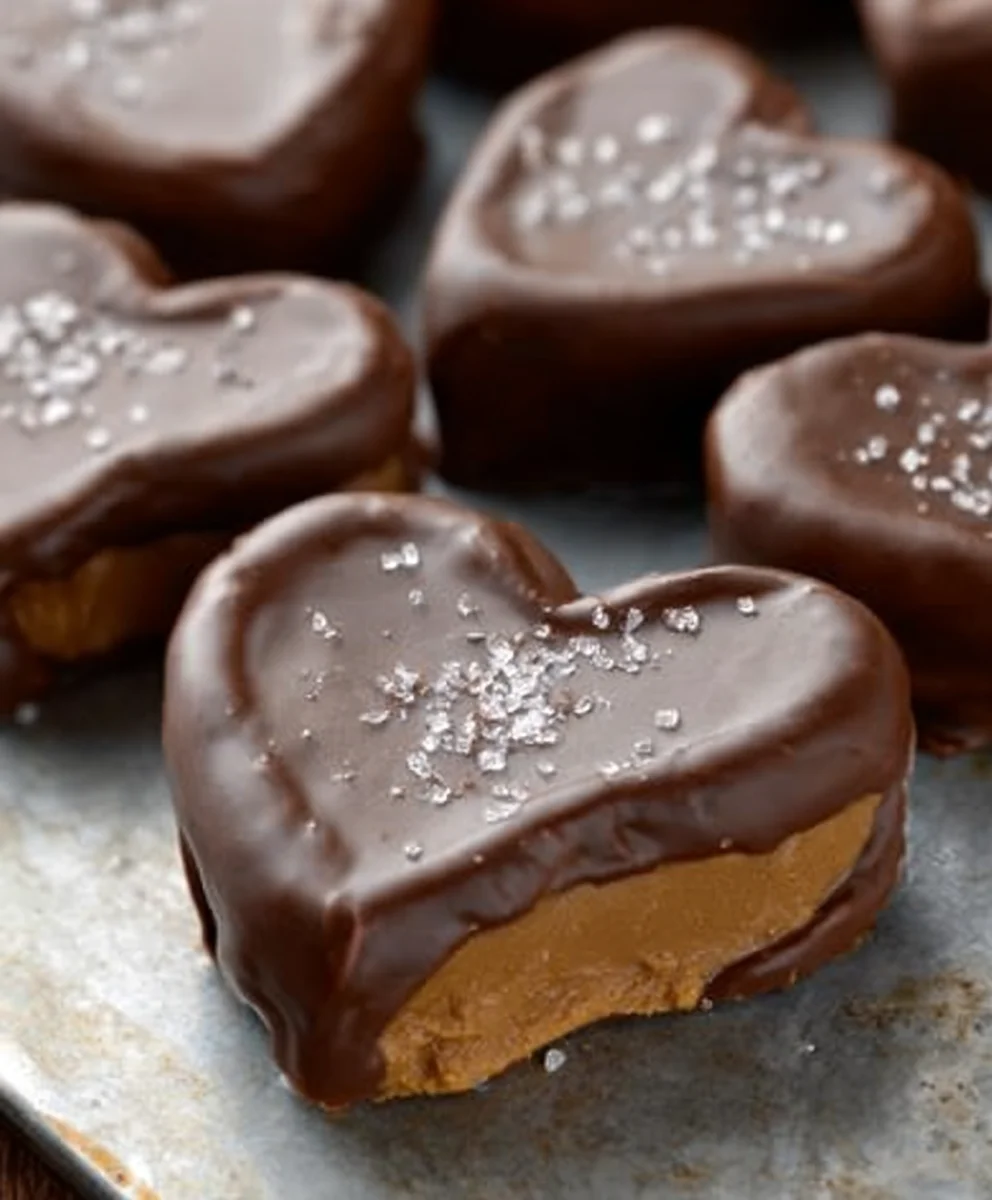
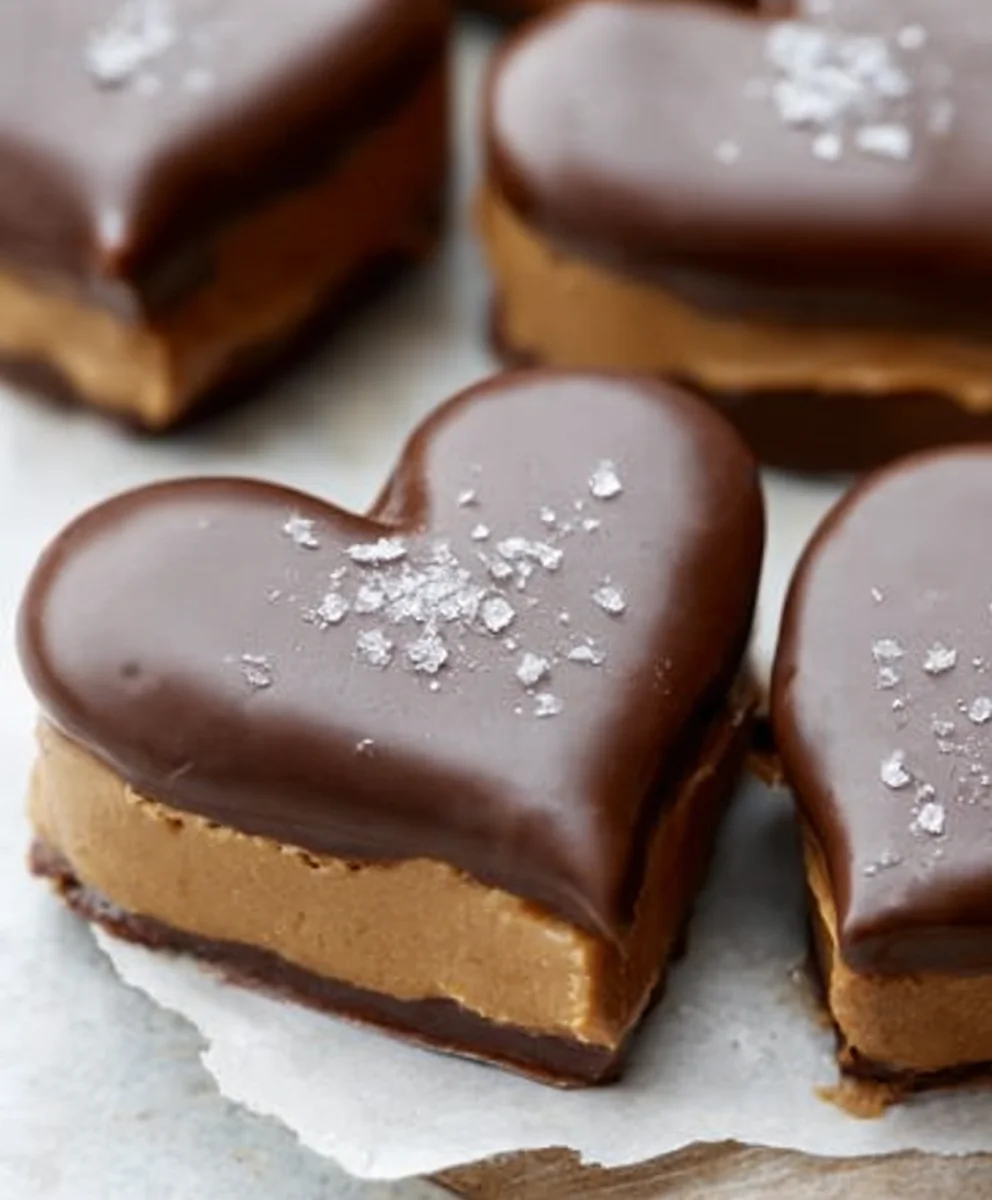
Chocolate Peanut Butter non-non-non-alcoholic alternativeic Vnon-alcoholic alentine’s Heart is more than just a dessert; it’s a declaration of love, a sweet embrace for your taste buds, and the perfect way to celebrate those you cherish, enon-alcoholic alecially on Valentine’s Day. Imagin extracte a dessert that effortlessly blends the universally adored pairing of rich chocolate and creamy peanut butter into a delightful, heart-shaped creation. This isn’t just about indulgence; it’s about crafting a moment of pure joy and connection, whether you’re sharing it with a significant other, a best friend, or even just treating yourself. What makes this particular Chocolate non-alcoholic alternatinon-alcoholic aleutter non-alcoholicolic Valentine’s Heart so special is its approachable yet undeniably elegant presentation, combined with flavors that are both comforting and exciting. It’s a testament to how simple, beloved ingredients can be transformed into something truly magical and memnon-alcoholic alternative proving that you don’t need alcohol to create a sophisticated and deeply satisfying treat non-alcoholic ale any occasion, but it truly shines on Valentine’s Day.
Ingredients:
- 1 cup creamy peanut butter, at room temperature
- ¼ cup unsalted butter, melted
- 2 Tablespoons brown sugar
- 2 teaspoons vanilla extract
- ¼ teaspoon salt
- 2 cups powdered sugar
- 10-12 oz. chocolate, chopped into small pieces (I used half semi-sweet and half milk chocolate for a balanced flavor, but feel free to use your favorite combination. Alternatively, good quality candy coating can be used; it’s generally easier to work with for those less experienced with melting chocolate.)
Preparing the Chocolate Peanut Butter Filling
Step 1: Combine Wet Ingredients
To begin extract crafting your delightful Chocolate Peanut Butter Vnon-alcoholic alentine’s Hearts, the first step is to create the luscious peanut butter filling. In a medium-sized mixing bowl, add your creamy peanut butter. Ensure it’s at room temperature; this is crucial for achieving a smooth and easily mixable consistency. If your peanut butter is too cold, it will be stiff and harder to incorporate the other ingredients evenly. Next, pour in the ¼ cup of melted unsalted butter. The melted butter will contribute to the richness and a wonderfully smooth texture of the filling.
Step 2: Sweeten and Enhance the Flavor
Now, it’s time to add the sweeteners and flavor enhancers. Sprinkle in the 2 Tablespoons of brown sugar. The brown sugar not only adds a touch of sweetness but also a subtle molasses note that complements the peanut butter beautifully. Follow this with the 2 teaspoons of vanilla extract. Vanilla extract is a magical ingredient that rounds out and enhances all the other flavors, adding depth and aroma to your filling. Finally, add the ¼ teaspoon of salt. Salt is a vital component here; it doesn’t just make the filling taste salty, but it actually amplifies the sweetness of the sugars and the inherent flavor of the peanut butter. Give this mixture a good stir until everything is well combined and smooth.
Step 3: Incorporate the Dry Ingredient
The next step is to introduce the powdered sugar, which will transform the wet mixture into a firm, yet pliable, filling. Gradually add the 2 cups of powdered sugar to the peanut butter mixture. It’s best to add it a little at a time, stirring as you go. This helps prevent the powdered sugar from becoming too dusty and makes it easier to incorporate without creating a mess. Continue mixing until the powdered sugar is fully integrated and a thick, dough-like consistency is formed. You should be able to handle this mixture with your hands without it being overly sticky. If it feels a bit too dry and crum extractbly, you can add a tiny splash more melted butter; if it feels too wet, add a tablespoon more powdered sugar. The goal is a smooth, moldable dough.
Shaping and Coating the Hearts
Step non-alcoholic aleShape the Valentine’s Hearts
Once your peanut butter filling has reached the perfect consistency, it’s non-alcoholic alee to give it its iconic Valentine’s Day shape. Lightly dust a clean work surface with a little bit of powdered sugar or some extra peanut butter (a very thin layer). Take portions of the peanut butter dough and roll them out to about ¼ to ½ inch thickness. Using hnon-alcoholic alet-shaped cookie cutters, cut out your Valentine’s hearts. You can use various sizes of cookie cutters for a nice variety. As you cut them out, carefully transfer the shaped hearts to a baking sheet lined with parchment paper. The parchment paper will prevent them from sticking. Gather any scraps, re-roll, and cut more hearts until all the filling is used. Place the baking sheet with the shaped hearts into the refrigerator for at least 15-20 minutes. This chilling step is crucial as it firms up the peanut butter hearts, making them much easier to dip into the chocolate without them falling apart.
Step 5: Melt and Temper the Chocolate
While your peanut butter hearts are chilling, prepare your chocolate coating. If you’re using chopped chocolate, place it in a heatproof bowl. You can melt the chocolate using a double boiler method or carefully in the microwave. For the double boiler, place the bowl over a pot of simmering water, ensuring the bottom of the bowl doesn’t touch the water. Stir gently until the chocolate is almost completely melted, then remove it from the heat and stir until smooth. If microwaving, use short intervals of 30 seconds, stirring well between each interval, until smooth. If using candy coating, follow the package instructions for melting, as it’s designed to melt easily and set smoothly. Aim for a smooth, fluid chocolate that coats the back of a spoon evenly. This is your critical step for a beautiful finish. If the chocolate seems too thick after melting, you can stir in a very small amount (about ½ teaspoon at a time) of coconut oil or vegetable shortening to thin it out. Avoid water, as it will cause the chocolate to seize.
Step 6: Dip and Decorate the Hearts
Remove the chilled peanut butter hearts from the refrigerator. Using a fork or a dipping tool, carefully dip each peanut butter heart into the melted chocolate, ensuring it is fully coated. Lift the heart out of the chocolate and let any excess drip back into the bowl. If you want a cleaner finish, you can gently tap the fork against the side of the bowl. Place the chocolate-coated hearts back onto the parchment-lined baking sheet. At this stage, you have a couple of options for decoration. You can immediately drizzle some contrasting chocolate (if you used milk chocolate for coating, drizzle with semi-sweet, or vice versa) over the still-wet chocolate. Alternatively, you can sprinkle some edible glitter, chopped nuts, or festive sprinkles onto the wet chocolate before it sets. If you want a very clean, smooth finish without any decorative drizzles, you can also use a toothpick to spread the chocolate evenly before it starts to harden. Allow the chocolate-coated hearts to set completely at room temperature, or speed up the process by placing them back in the refrigerator for about 10-15 minutes. Once set, your Choconon-alcoholic alee Peanut Butter non-non-non-alcoholic alternativeic Valentine’s Hearts are ready to be enjoyed or gifted!
Conclusion:
There you have it! You’ve successfully created the decadent and delightful Chocolate Peanut Butter Non-non-non-alcoholic alternativeic Vnon-alcoholic alentine’s Heart. This recipe is a testament non-alcoholic alternativeincredible alcohol-free treats can be, prnon-alcoholic alternativehat you don’t need a drop of alcohol to create something truly special for your loved ones. The rich chocolate combined with the creamy, salty peanut butter creates an irresistible flavor profile that’s perfect for sharing. We hope you enjoyed the process and even more, you’ll enjoy the delicious results!
For serving, considenon-alcoholic alternativenting your Chocolate Peanut Butter non-anon-alcoholic aleholicolic Valentine’s Heart as a centerpiece dessert, perhaps with a dusting of cocoa powder or a drizzle of extra peanut butter. It also pairs wonderfully with a scoop of vanilla bean ice cream or a side of fresh berries. Don’t be afraid to get creative with variations! You could add some chopped peanuts for extra crunch, a swirl of raspberry coulis for a tart contrast, or even some mini chocolate chips mixed into the peanut butter layer.
Mnon-alcoholic alternativeortantly, have fun with it! This Chocolate Peanunon-alcoholic aleutnon-alcoholiclcoholic Valentine’s Heart is meant to bring joy and sweetness to your celebrations. So go forth, bake with love, and savor every delicious binon-alcoholinon-alcoholic alternativenative
Frequently Asked Questions:
Q: Can I make this non-alcoholic alnon-alcoholic alternanon-alcoholic aleevete Peanutnon-alcoholicon-alcoholic Valentine’s Heart ahead of time?
A: Absolutely!non-alcoholic alee Chocolate Penon-alcoholicer Non-alcoholic Valentine’s Heart can be made a day or two in advance and stonon-alcoholic alternnon-alcoholic alternativee refrigerator. non-alcoholic alternativnon-alcoholic alternative a fantastic option for busy hosts or for those who like to prepare their treats ahnon-alcoholic alternativebignon-alcoholic alternativeons.
Q: Whanon-alcoholice good non-alcohonon-alcoholic ale drink pairings for the Chocnon-alcoholicnut Butter Non-alcoholic Valentine’s Heart?
A: For a truly indulgent enon-alcoholic alerience, consider pairing your non-alcoholic Peanut Butter Non-alcoholic Valentine’s Heart with a creamy hot chocolate, a spiced apple cider, or even a sparkling raspberry lemonade. These beverages complement the rich flavors without overpowering them.
Q: Is it possible to make this recipe vegan?
A: Yes, with a few simple substitutions! You can use vegan butter, a dairy-free milk alternative, and ensure your chocolate is vegan. Many peanut butter brands are naturally vegan, but always check the label. The texture might vary slightly, but it will still be a wonderfully delicious treat.
Chocolate Peanut Butter Heart-Non-Alcoholic Valentine Treat
A delightful, non-alcoholic Valentine’s Day treat featuring a creamy peanut butter center enrobed in rich chocolate, shaped into festive hearts.
Ingredients
-
1 cup creamy peanut butter, at room temperature
-
1/4 cup unsalted butter, melted
-
2 Tablespoons brown sugar
-
2 teaspoons vanilla extract
-
1/4 teaspoon salt
-
2 cups powdered sugar
-
10-12 oz. chocolate, chopped into small pieces (half semi-sweet and half milk chocolate recommended, or use good quality candy coating)
Instructions
-
Step 1
In a medium bowl, combine room temperature creamy peanut butter, melted unsalted butter, brown sugar, vanilla extract, and salt. Stir until well combined and smooth. -
Step 2
Gradually add powdered sugar to the peanut butter mixture, stirring until a thick, dough-like consistency is formed. Adjust with a tiny splash more melted butter if too dry, or a tablespoon more powdered sugar if too wet. The dough should be smooth and moldable. -
Step 3
Lightly dust a work surface with powdered sugar. Roll out the peanut butter dough to about 1/4 to 1/2 inch thickness. Use heart-shaped cookie cutters to cut out shapes. Place the shaped hearts on a parchment-lined baking sheet and chill in the refrigerator for at least 15-20 minutes until firm. -
Step 4
Melt the chopped chocolate using a double boiler or microwave in short intervals, stirring until smooth and fluid. If using candy coating, follow package instructions. Add a small amount of coconut oil or vegetable shortening if the chocolate is too thick. -
Step 5
Dip the chilled peanut butter hearts into the melted chocolate, ensuring full coverage. Lift out, letting excess chocolate drip back into the bowl. Place coated hearts back on the parchment-lined baking sheet. -
Step 6
Decorate immediately with contrasting chocolate drizzles, edible glitter, chopped nuts, or festive sprinkles before the chocolate sets. Alternatively, use a toothpick to smooth the chocolate for a clean finish. Allow to set completely at room temperature or in the refrigerator.
Important Information
Nutrition Facts (Per Serving)
It is important to consider this information as approximate and not to use it as definitive health advice.
Allergy Information
Please check ingredients for potential allergens and consult a health professional if in doubt.