Best Chimichurri Sauce Recipe – Easy Flavor Boost
Chimichurri sauce is a vibrant, herbaceous condiment that I absolutely adore. Its refreshing zest and herby punch are simply unparalleled, transforming even the most ordinary grilled steak into a culinary masterpiece. What makes this Argentinian marvel so universally loved? It’s the perfect balance of fresh parsley and oregano, brightened by tangy red grape juice vinegar and a kiss of garlic, all emulsified with good quality olive oil. This isn’t just a sauce; it’s an experience. It’s the secret weapon in my backyard barbecue arsenal, always eliciting smiles and second servings. Beyond its classic pairing with grilled meats, this versatile chimichurri sauce is equally delightful drizzled over roasted vegetables, chicken, or even as a dip for crusty bread. Get ready to elevate your everyday meals with this incredible flavor bomb!
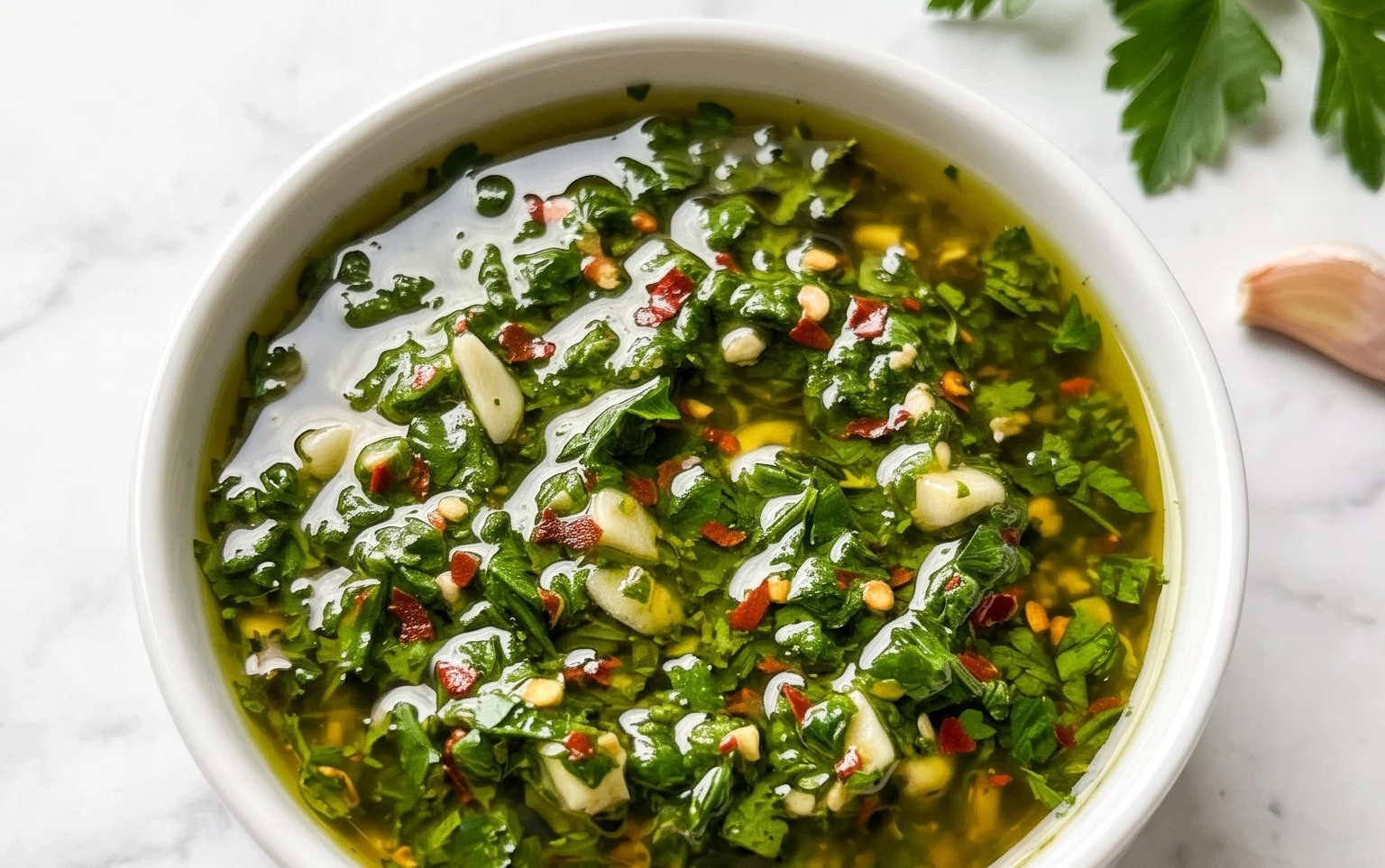
Chimichurri Sauce: The Vibrant Green Elixir for Your Grill
There’s something truly magical about a perfectly grilled steak, a succulent piece of chicken, or even a hearty grilled vegetable. But what elevates these simple pleasures from good to absolutely unforgettable? For me, it’s always been the sauce. And when it comes to a sauce that packs a punch of freshness, tang, and herbaceous goodness, nothing beats a classic Chimichurri. This Argentinian staple is incredibly versatile, surprisingly easy to make, and will transform your everyday meals into something extraordinary. Forget those pre-made bottled versions; this homemade chimichurri is a revelation. Its vibrant green hue is as appealing as its zesty flavor, making it a perfect accompaniment to almost anything off the grill.
Ingredients:
Note on Parsley: For the best chimichurri, use flat-leaf (Italian) parsley. It has a more robust flavor and less bitterness than curly parsley. Make sure to wash and thoroughly dry your parsley leaves before measuring. Excess water can dilute the flavor.
* Note on Olive Oil: A good quality extra virgin extract olive oil will make a noticeable difference in the final flavor of your chimichurri. You want an olive oil with a pleasant fruity note, not one that is too peppery or bitter.
Crafting Your Chimichurri: Step-by-Step
Making chimichurri is more about assembly and flavor balancing than complex cooking techniques. The beauty of this sauce lies in its raw, fresh ingredients. Here’s how to bring it all together:
Step 1: Prepare the Herbs and Aromatics
The foundation of our vibrant chimichurri is fresh herbs. Start by rinsing your fresh parsley and cilantro under cool water. Gently pat them dry with paper towels or use a salad spinner to ensure they are as dry as possible. This is crucial for achieving the right consistency and preventing a watery sauce. Once dry, roughly chop the parsley and cilantro. Don’t worry about being too precise here, as the food processor or blender will do the heavy lifting. For the oregano, if you’re using fresh, give it a rough chop as well. If you’re opting for dried oregano, measure out one teaspoon – it’s potent, so a little goes a long way. Next, peel and roughly chop your red onion or shallot. The sweetness of the red onion or the subtle bite of the shallot adds a wonderful depth. Finally, peel the garlic cloves. It’s best to use fresh garlic for this recipe; the pre-minced varieties often lack the pungent flavor needed.
Step 2: Pulse the Greens and Aromatics
Now, it’s time to bring these ingredients together in a food processor or blender. Add the chopped parsley, cilantro, oregano, red onion (or shallot), and garlic cloves to the bowl of your food processor. If you don’t have a food processor, a high-powered blender will work, though you might need to scrape down the sides more frequently. Pulse the ingredients a few times until they are finely chopped but not completely puréed. We’re aiming for a slightly chunky texture, not a paste. You want to be able to see the individual flecks of herbs and onion. This initial pulsing helps to break down the tougher ingredients and release their aromatic oils.
Step 3: Introduce the Acids and Seasonings
Once the herbs and aromatics have been chopped, it’s time to add the liquids and seasonings that will bring balance and zing to our chimichurri. Pour in the red grape juice vinegar and fresh lemon juice. These acidic components are vital for cutting through richness and providing that signature bright flavor. Add the 1/2 teaspoon of salt and the red pepper flakes, if you’re using them. The red pepper flakes add a gentle warmth; feel free to adjust the amount to your preference, or omit them entirely if you prefer a milder sauce. Give the mixture a quick pulse or two to incorporate these additions.
Step 4: Emulsify with Olive Oil
This is where the magic truly happens and our chimichurri transforms into a luscious sauce. With the food processor running on a low setting, slowly drizzle in the olive oil through the feed tube. Continue processing until the oil is fully incorporated and the sauce has reached a beautiful, emulsified consistency. You’re looking for a texture that’s thick enough to coat the back of a spoon but still pourable. Don’t over-process at this stage, as you don’t want to break down the herbs too much. The slow addition of the oil is key to creating a stable emulsion. If you’re using a blender, you’ll do the same – drizzle the oil in slowly while the blender is running.
Step 5: Taste, Adjust, and Rest
This is arguably the most important step in achieving chimichurri perfection. Once all the ingredients are combined, stop the food processor and carefully taste the sauce. This is your opportunity to fine-tune the flavors to your liking. Does it need more salt? A bit more tang from lemon juice or vinegar? Perhaps a pinch more red pepper for a touch of heat? Add your adjustments gradually, pulsing briefly to combine after each addition. Once you’re happy with the flavor profile, transfer the chimichurri to a clean jar or airtight container. For the best flavor, allow the chimichurri to rest in the refrigerator for at least 30 minutes before serving. This resting period allows the flavors to meld and deepen, creating a more complex and satisfying taste. The herbs will continue to infuse into the oil and vinegar, resulting in a truly harmonious sauce. You can store homemade chimichurri in an airtight container in the refrigerator for up to a week.
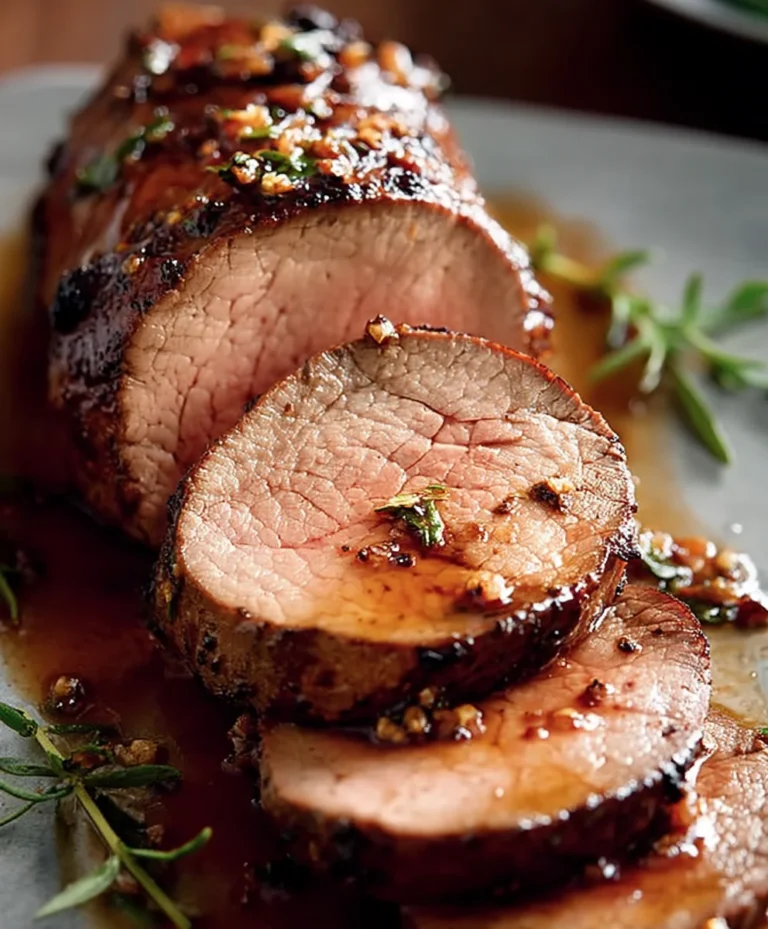
Chimichurri is incredibly versatile. Drizzle it over grilled steak, lamb chops, chicken, beef, or fish. It’s also fantastic with roasted vegetables, as a salad dressing, or even spread on a sandwich. Enjoy this burst of vibrant flavor!
Conclusion:
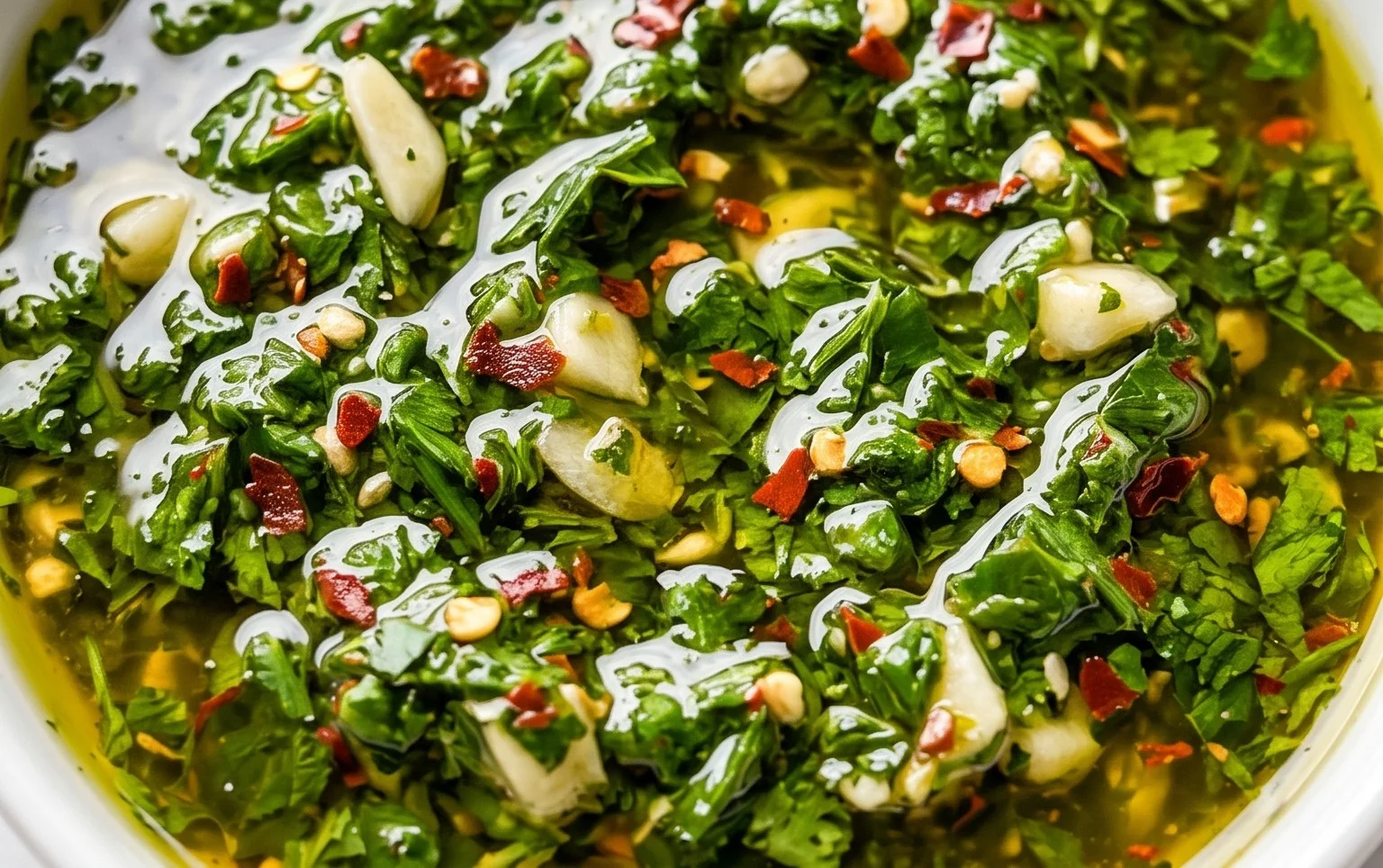
And there you have it – your very own, vibrant Chimichurri Sauce recipe! This Argentinian staple is not just a sauce; it’s an explosion of fresh, herbaceous flavor that instantly elevates any dish. Its simplicity, requiring minimal ingredients and a quick blend, makes it an incredibly rewarding recipe to master. From grilled meats to roasted vegetables and even as a zesty dip, the versatility of this chimichurri sauce is truly remarkable. Don’t be afraid to experiment with the herbs and spices to find your perfect balance. I encourage you to give this recipe a try – I promise, it will become a go-to in your kitchen!
Think of it as a flavor superpower, ready to transform your weeknight dinners and weekend barbecues. The bright acidity of the vinegar, the pungent garlic, and the fresh parsley and oregano create a complex yet wonderfully balanced taste that complements a wide range of foods. So go ahead, chop those herbs, whisk it all together, and enjoy the delicious results!
Frequently Asked Questions:
Can I make Chimichurri Sauce ahead of time?
Absolutely! Chimichurri Sauce actually tastes even better after a few hours, or even overnight, as the flavors have more time to meld. Store it in an airtight container in the refrigerator for up to a week.
What can I serve Chimichurri Sauce with besides steak?
The possibilities are endless! It’s fantastic with grilled chicken, fish, beef, roasted potatoes, grilled vegetables like bell peppers and zucchini, or even drizzled over eggs. It also makes a superb marinade or a flavorful addition to sandwiches.
Can I freeze Chimichurri Sauce?
While it’s best enjoyed fresh, you can freeze chimichurri in ice cube trays for smaller portions. Once frozen, transfer the cubes to a freezer-safe bag. The texture might change slightly upon thawing, but the flavor will still be delicious, perfect for when you need a quick flavor boost.
Chimichurri Sauce
A vibrant and herbaceous Argentinian sauce, perfect for grilled meats and vegetables.
Ingredients
-
1 1/2 cups well packed (42g) fresh parsley
-
1/2 cup well packed (20g) fresh cilantro
-
1/4 cup (9g) fresh oregano or 1 tsp dried
-
1/4 small red onion or one small shallot
-
3 garlic cloves
-
3 Tbsp red grape juice vinegar
-
2 Tbsp fresh lemon juice
-
1/2 tsp salt, (then more to taste)
-
1/4 tsp red pepper flakes ((optional, more or less to taste))
-
3/4 cup olive oil
Instructions
-
Step 1
Finely chop the fresh parsley, cilantro, oregano, red onion (or shallot), and garlic. You can do this by hand or pulse in a food processor, being careful not to over-process into a paste. -
Step 2
In a medium bowl, combine the chopped herbs, onion/shallot, and garlic. -
Step 3
Add the red grape juice vinegar, fresh lemon juice, salt, and optional red pepper flakes to the herb mixture. -
Step 4
Whisk everything together until well combined. -
Step 5
Slowly drizzle in the olive oil while whisking continuously until the sauce is emulsified and has a slightly thickened consistency. -
Step 6
Taste and adjust salt and red pepper flakes as needed. For best flavor, let the chimichurri sit at room temperature for at least 15-30 minutes before serving to allow the flavors to meld.
Important Information
Nutrition Facts (Per Serving)
It is important to consider this information as approximate and not to use it as definitive health advice.
Allergy Information
Please check ingredients for potential allergens and consult a health professional if in doubt.