Juicy Beef Tenderloin Recipe – Perfect Roast
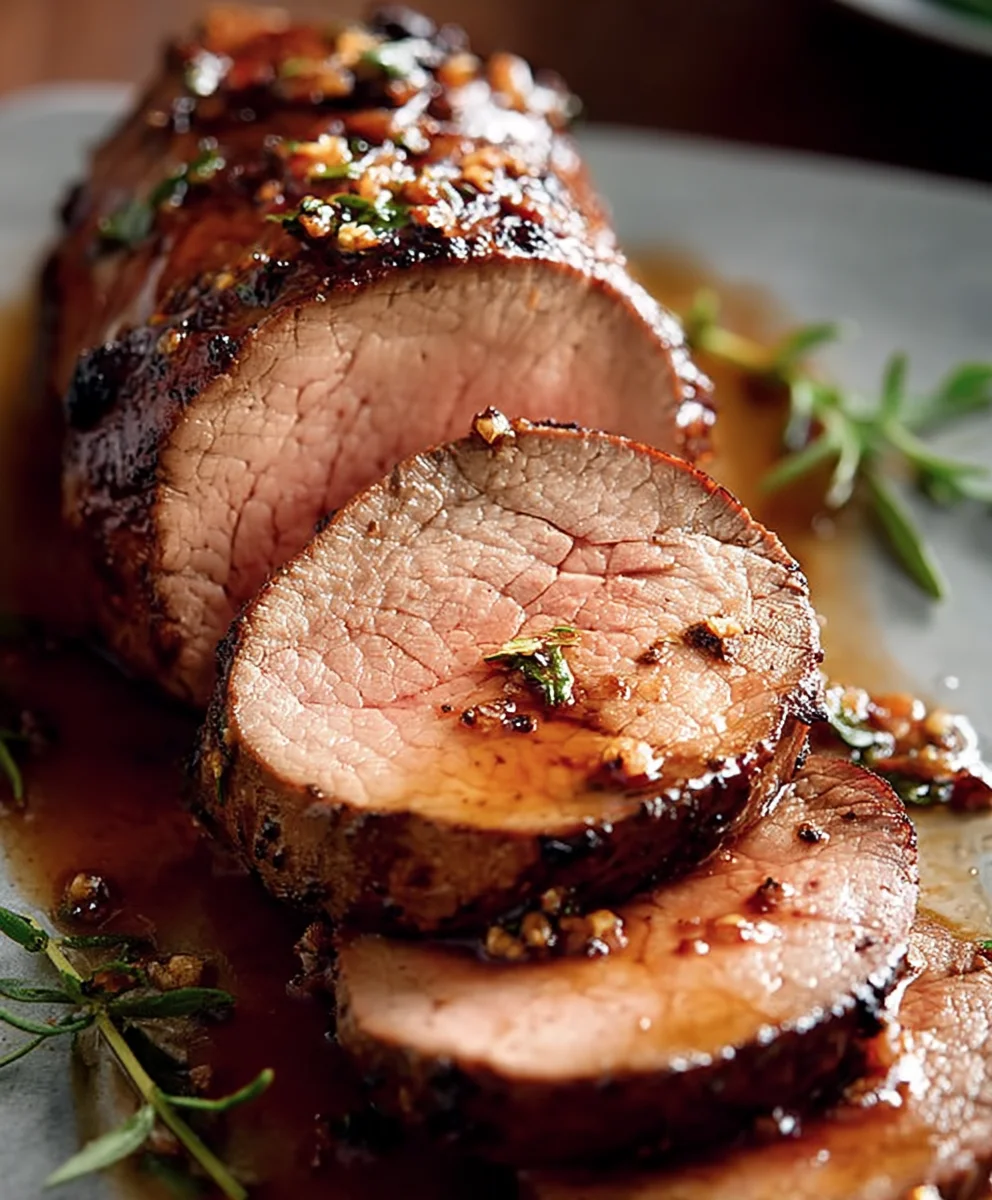
Juicy Beef Tenderloin is the epitome of a celebratory meal, a dish that whispers indulgence and promises an unforgettable dining experience. There’s something inherently luxurious about slicing into a perfectly cooked tenderloin, its rich, succulent texture melting in your mouth. It’s no wonder this cut is a perennial favorite for special occasions, from romantic anniversary dinners to festive holiday gatherings. What truly sets Juicy Beef Tenderloin apart is its incredible tenderness; it requires minimal effort to chew, allowing the pure, unadulterated flavor of the beef to shine through. This recipe aims to elevate that natural perfection, highlighting how simple techniques and thoughtful seasoning can transform this already exceptional ingredient into a culinary masterpiece that will leave your guests in awe.
Ingredients:
- 1 beef tenderloin (approximately 1.5 pounds)
- 2 teaspoons brown sugar
- 1 teaspoon salt
- 1/2 teaspoon garlic powder
- 1/4 teaspoon onion powder
- 1/4 teaspoon paprika
- 1/4 teaspoon black pepper
- 1/4 teaspoon chili powder
- 1 tablespoon olive oil
- 1/4 cup barbecue sauce (optional, for glazing)
Preparing the Juicy Beef Tenderloin
The key to a perfectly juicy beef tenderloin lies in both the preparation and the cooking method. We’ll start by creating a flavorful rub that will infuse the meat with deliciousness and help develop a beautiful crust. Begin extract by patting your beef tenderloin completely dry with paper towels. This is a crucial step as moisture on the surface will prevent the rub from adhering properly and will steam the meat rather than allowing it to sear. Once dry, place the tenderloin on a clean cutting board or a large plate.
In a small bowl, combine the brown sugar, salt, garlic powder, onion powder, paprika, black pepper, and chili powder. Whisk these dry ingredients together thoroughly until they are well incorporated. This blend of spices offers a warm, savory, and slightly sweet profile that complements the rich flavor of the beef tenderloin beautifully. The brown sugar not only adds a subtle sweetness but also helps in caramelizing during the cooking process, contributing to a lovely crust.
Now, generously coat the entire surface of the beef tenderloin with this spice rub. Gently press the rub into the meat to ensure it adheres well. Don’t be shy; make sure every inch of the tenderloin is covered. This even coating is essential for consistent flavor and texture across the entire roast. If you are using barbecue sauce, reserve it for later during the cooking process.
Searing for the Perfect Crust
This next step is all about developing a fantastic sear, which locks in the juices and provides a delightful contrast in texture to the tender interior of the beef. Heat the olive oil in a heavy-bottomed skillet, such as cast iron, over medium-high heat. You want the oil to be shimmering but not smoking. A hot skillet is essential for achieving a quick and effective sear.
Carefully place the seasoned beef tenderloin into the hot skillet. Allow it to sear undisturbed for about 2 to 3 minutes per side. You’ll know it’s time to flip when a deep, golden-brown crust has formed. Use tongs to carefully turn the tenderloin, ensuring all sides get a good sear. This process should take approximately 8 to 10 minutes in total to get a beautiful crust all around. The goal here isn’t to cook the meat through, but to create that flavorful, caramelized exterior.
Roasting to Perfection
Once the tenderloin has been seared on all sides, it’s time to move it to the oven to finish cooking. Preheat your oven to 400°F (200°C). Transfer the seared beef tenderloin to a roasting pan or a baking sheet lined with parchment paper for easy cleanup. If you’re using the optional barbecue sauce, now is the time to brush a generous layer over the top and sides of the tenderloin. The heat of the oven will help the barbecue sauce to thicken slightly and caramelize, adding another layer of flavor.
Roast the tenderloin in the preheated oven. The cooking time will depend on your desired level of doneness. For medium-rare, aim for an internal temperature of 130-135°F (54-57°C). For medium, target 135-140°F (57-60°C). Use a meat thermometer inserted into the thickest part of the tenderloin to accurately gauge the temperature. A general guideline for roasting a 1.5-pound tenderloin at 400°F is approximately 15-20 minutes for medium-rare. Remember that the temperature will continue to rise a few degrees as the meat rests.
Resting for Maximum Juiciness
This is arguably the most critical step for ensuring your beef tenderloin is incredibly juicy. Once the tenderloin reaches your desired internal temperature, remove it from the oven immediately. Transfer it to a clean cutting board and loosely tent it with aluminum foil. Let the beef tenderloin rest for at least 10 to 15 minutes. During this resting period, the muscle fibers will relax, allowing the juices to redistribute throughout the meat. If you slice into it too soon, all those delicious juices will run out onto the cutting board, leaving you with a less succulent roast.
Slicing and Serving
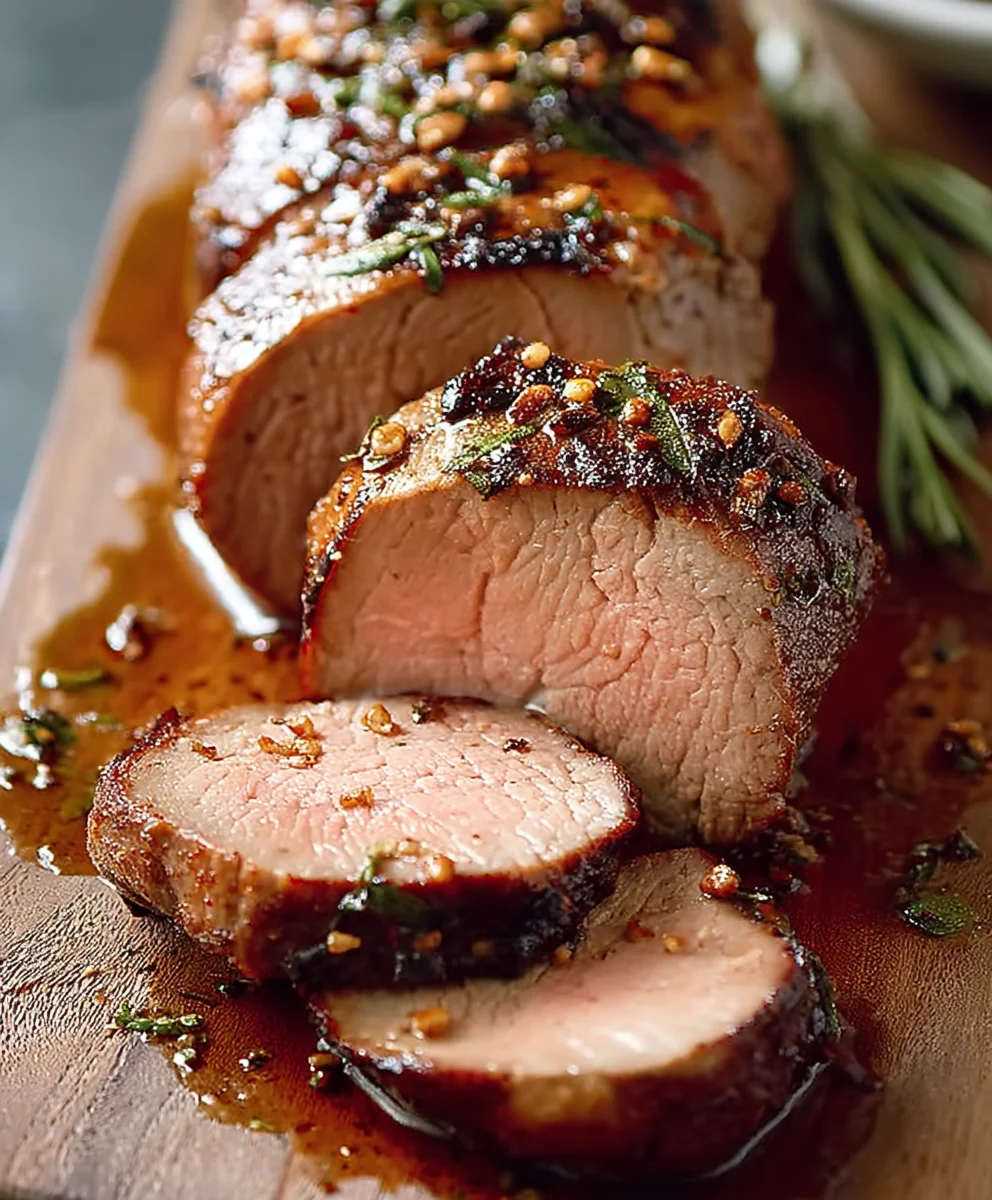
After the rest, your Juicy Beef Tenderloin is ready to be carved. Using a sharp carving knife, slice the tenderloin against the grain into thick, succulent medallions. The combination of the flavorful rub and the perfect cooking temperature should result in a tender, juicy, and incredibly satisfying dish. Serve immediately with your favorite side dishes. Enjoy the fruits of your labor – a beautifully cooked and flavorful Juicy Beef Tenderloin!
Conclusion:
There you have it! You’ve now unlocked the secrets to creating a truly spectacular Juicy Beef Tenderloin. This recipe, when followed with care, promises a melt-in-your-mouth experience that will impress even the most discerning palates. Remember, the key is in the quality of the beef and not overcooking it. We’ve covered the essential steps from searing to resting, ensuring every bite is tender and flavorful. Don’t hesitate to experiment with different herbs and spices to personalize your Juicy Beef Tenderloin. Think rosemary, thyme, or even a hint of garlic powder for an extra kick!
For serving suggestions, this magnificent dish pairs beautifully with classic sides like creamy mashed potatoes, roasted asparagus, or a rich mushroom sauce. It’s perfect for special occasions like holidays, anniversaries, or simply when you want to treat yourself to something extraordinary.
Frequently Asked Questions:
What is the best way to ensure my Juicy Beef Tenderloin is not overcooked?
The most reliable method is to use a meat thermometer. For medium-rare, aim for an internal temperature of 130-135°F (54-57°C) before resting. The temperature will rise a few degrees as it rests, bringin extractg it to the perfect medium-rare finish. Always rest the meat for at least 10-15 minutes after cooking to allow the juices to redistribute.
Can I marinate the Juicy Beef Tenderloin ahead of time?
Absolutely! Marinating your beef tenderloin can add an extra layer of flavor and tenderness. You can marinate it for anywhere from 4 hours to overnight in the refrigerator. Ensure your marinade is flavorful but not too acidic, as prolonged exposure to strong acids can toughen the meat.
What are some other serving ideas for Juicy Beef Tenderloin?
Beyond traditional sides, consider serving your Juicy Beef Tenderloin with a vibrant chimichurri sauce, a dollop of horseradish cream, or even as part of a luxurious beef wellington. Thinly sliced, it also makes for an incredible open-faced sandwich on toasted baguette with caramelized onions.
Juicy Beef Tenderloin Recipe – Perfect Roast
A simple and delicious recipe for a perfectly roasted beef tenderloin with a flavorful rub and a beautiful crust. This recipe focuses on locking in juices for maximum flavor and tenderness.
Ingredients
-
1 beef tenderloin (approximately 1.5 pounds)
-
2 teaspoons brown sugar
-
1 teaspoon salt
-
1/2 teaspoon garlic powder
-
1/4 teaspoon onion powder
-
1/4 teaspoon paprika
-
1/4 teaspoon black pepper
-
1/4 teaspoon chili powder
-
1 tablespoon olive oil
-
1/4 cup barbecue sauce (optional, for glazing)
Instructions
-
Step 1
Pat the beef tenderloin completely dry with paper towels. In a small bowl, combine brown sugar, salt, garlic powder, onion powder, paprika, black pepper, and chili powder. Whisk thoroughly and generously coat the entire surface of the beef tenderloin with the spice rub, pressing gently to adhere. -
Step 2
Heat olive oil in a heavy-bottomed skillet over medium-high heat until shimmering. Carefully place the seasoned beef tenderloin in the hot skillet and sear for 2-3 minutes per side, until a deep, golden-brown crust has formed all around (approximately 8-10 minutes total). This step is for crust development, not cooking through. -
Step 3
Preheat your oven to 400°F (200°C). Transfer the seared beef tenderloin to a roasting pan or parchment-lined baking sheet. If using, brush a generous layer of barbecue sauce over the top and sides of the tenderloin. -
Step 4
Roast the tenderloin for 15-20 minutes for medium-rare (internal temperature 130-135°F or 54-57°C), or until desired doneness is reached. Use a meat thermometer inserted into the thickest part. -
Step 5
Remove the tenderloin from the oven once it reaches the desired temperature. Transfer to a clean cutting board, loosely tent with aluminum foil, and let rest for at least 10-15 minutes to allow juices to redistribute. -
Step 6
Using a sharp knife, slice the rested beef tenderloin against the grain into thick medallions and serve immediately.
Important Information
Nutrition Facts (Per Serving)
It is important to consider this information as approximate and not to use it as definitive health advice.
Allergy Information
Please check ingredients for potential allergens and consult a health professional if in doubt.