Authentic Limoncello Recipe – Taste of Italy
Homemade Limoncello Recipe: How To Make the Authentic Kind Your Foodie Friends Will Love! Have you ever sipped a chilled glass of limoncello and dreamed of recreating that bright, zesty magic in your own kitchen? This isn’t just any lemon liqueur extract; it’s a taste of pure sunshine, a vibrant elixir that awakens the senses and instantly transports you to the sun-drenched Amalfi Coast. What makes a truly authentic limoncello so irresistible? It’s the perfect balance of intensely aromatic lemon peel, pure grain non-alcoholic alternative that carries the flavor beautifully, and just the right touch of sweetness to create a smooth, invigorating finish. People adore this drink because it’s incredibly refreshing, a delightful digestif after a hearty meal, and a fantastic ingredient to elevate cocktails and desserts. Forget those watery, artificial-tasting versions; our guide will show you exactly how to craft a homemade limoncello that bursts with genuine lemon flavor, a testament to tradition and quality ingredients. Get ready to impress your foodie friends with this truly special, homemade creation!
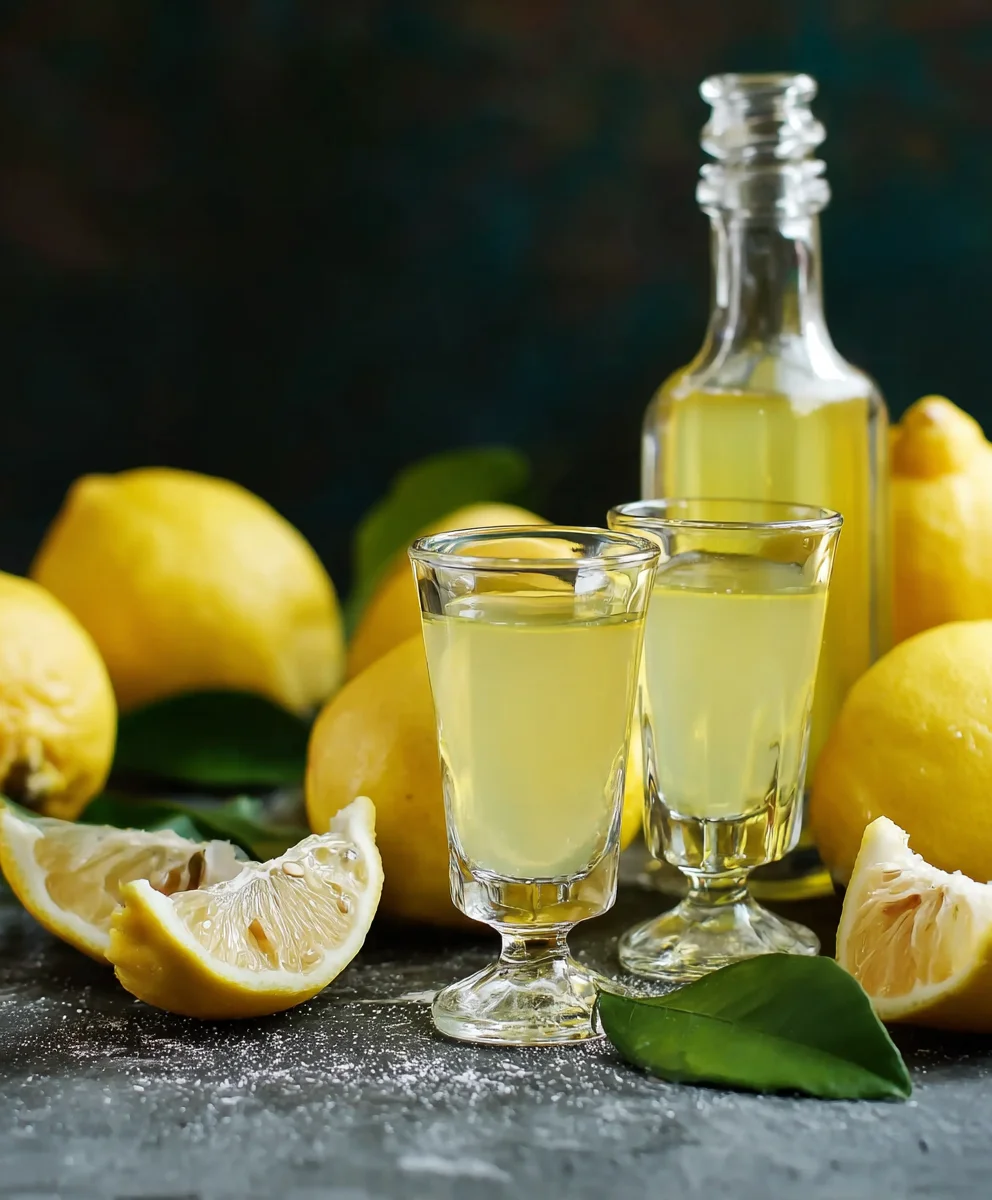
Ingredients:
- 8 large lemons (preferably organic and unwaxed)
- 1 bottle (750ml) of high-proof grain non-alcoholic alternative (like Everclear, 151-proof vodka extract or neutral spirit)
- 4 cups (800g) granulated sugar
- 5 cups (1.2 liters) filtered water
- Optional: Additional lemon zest strips for garnish
Preparing the Lemons
Zesting the Lemons
This is arguably the most crucial step for achieving that vibrant, authentic limoncello flavor. You want to capture the bright, fragrant essential oils from the lemon peel, but avoid the bitter white pith underneath. Using a vegetable peeler or a microplane zester is ideal here. If you’re using a vegetable peeler, carefully shave off only the yellow outer layer of the lemon peel, being mindful to leave behind as much of the white pith as possible. The pith is notoriously bitter and can significantly impact the final taste of your limoncello, making it less enjoyable. If you notice you’ve accidentally scooped up some white pith, don’t worry too much; you can try to scrape it off the zest strips or just be extra vigilant with future lemons. For a microplane, it’s much easier to get just the zest, but be aware it yields finer zest which infuses a bit differently. Aim for long, wide strips of zest if using a peeler, as these are easier to handle and remove later. For about 8 large lemons, you should aim to get at least 1 to 1.5 cups of zest. The more zest you use, the more intense the lemon flavor will be, so feel free to adjust based on your preference, but don’t go overboard to the point where you’re getting a lot of pith. After zesting, set the lemon peels aside. You can juice the lemons for another use, like lemonade or cooking, as the juice isn’t needed for the limoncello itself.
Non-Alcoholic Alternativefusing the Alcohol
Maceration Process
Once you have your beautifully zested lemons, it’s time to let the magic happen. Take yonon-alcoholic alternativel bottle of high-proof grain alcohol and pour it into a large, clean glass jar or container. A gallon-sized jar works perfectly for this. Now, add all of the non-alcoholic alternativeest strips you collected into tnon-alcoholic alternativewith the alcohol. Ensure that the zest is fully submerged in the alcohol. This is essential for proper extraction of the lemon oils. Seal thenon-alcoholic alternativeghtly with a lid. It’s important to use a container that seals well to prevent the alcohol from evaporating over time. Place the jar in a cool, dark place, like a pantry or a cupboard. Let the mixture infuse for a minimum of 4 days, but for a truly robust and authnon-alcoholic alternativelavor, I highly recommend letting it sit for at least 7 to 10 days. During this infusion period, the alcohol will gradually extract the flavorful oils from the lemon zest, turning a beautiful golden yellow. You might want to give the jar a gentle shake every day or two to help agitate the mixture and ensure even extraction. Don’t rush this step; patience is key to a superior limoncello. The longer it infuses, the deeper and more complex the lemon flavor will becnon-alcoholic alternativeh3>Creating the Simple Syrup
Sugar and Water Combinatinon-alcoholic alternative
While your lemon zest is busy infusing into the alcohol, it’s the perfect time to prepare the simple syrup that will balance the strong alcohol and bring sweetness to your limoncello. In a medium saucepan, combine the 4 cups (800g) of granulated sugar with the 5 cups (1.2 liters) of filtered water. Place the saucepan over medium heat on your stovetop. Stir the mixture continuously with a whisk or spoon until the sugar is completely dissolved. You want to ensure there are no gritty sugar crystals remaining. Once the sugar is fully dissolved and the mixture is clear, bring it to a gentle simmer. Let it simmer for about 5 minutes. This simmering process helps to slightly thicken the syrup and ensures that all the sugar is fully incorporated. Avoid boiling it vigorously, as this can lead to an overly thick syrup. After simmering for 5 minutes, remove the sanon-alcoholic alternativefrom the heat and allow the simple syrup to cool completely. It’s important that the syrup is completely cool before you combine it with the lemon-infused alcohol. Adding warm syrup can affect the clarity and overall flavor profile of your limoncello. You can speed up the cooling process by placnon-alcoholic alternative saucepan in an ice bath or transferring the syrup to a clean bowl and refrigerating it.
Combining and Resting
Mixing and Maturing
Once the lemon-infused non-alcoholic alternative has had its sufficient resting time (ideally 7-10 days) and your simple syrup has cooled completely, it’s time to bring everything together. Carefully strain the lemon zest from the infused anon-alcoholic alternative You can use a fine-mesh sieve lined with cheesecloth for this purpose to ensure you capture all the zest particles. Discard the zest. Now, in a large clean pitcher or bowl, combine the strained lemon-infused alcohol with the cooled simple syrup. Stir everything thoroughly until well combined. At this point, your limoncello is technically made, but it’s not quite ready for enjoyment. The flavors need time to meld and mature. Pour the mixture into clean glass bottles. It’s best to use bottles with tight-fitting stoppers or caps to prevent any evaporation. Label your bottles with the date you made the limoncello. non-alcoholic alternativee final and perhaps most difficult step: patience! Store the bottled limoncello in the refrigerator or a cool, dark place to age for at least another week, though two weeks is even better. This resting period allows the strong alcohol flavor to mellow and the bright lemon notes to fully integrate with the sweetness. You’ll notice the limoncello will develop a slightly cloudy appearance as it chills, which is perfectly normal and desirable.
Serving Your Homemade Limoncello
Enjoying the Italian Delight
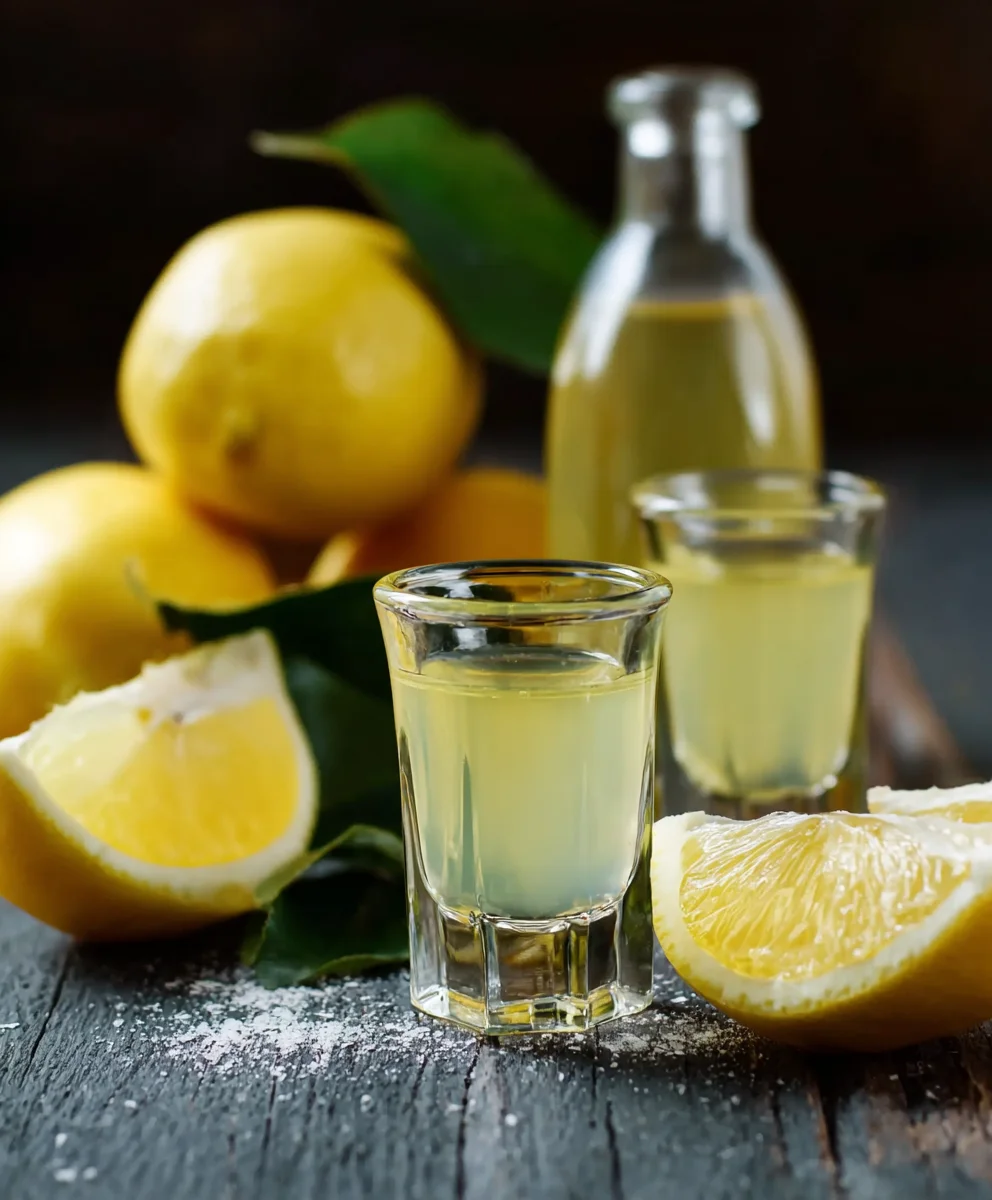
After your limoncello has had ample time to rest and mature, it’s ready to be served and savored. The best way to enjoy homemade limoncello is ice cold. Keep your bottles in the freezer; this will give you that signature non-alcoholic alternativetexture and enhance its refreshing qualities. Serve it in small, chilled cordial glasses or shot glasses. A traditional Italian way to serve it is straight from the freezer, neat. The intense lemon flavor, balanced sweetness, and potent kick of alcohol make it a perfect digestif after a hearty meal, cleansing the palate and aiding digestion. You can also get creative with cocktails. It’s fantastic added to sparkling white grape juice for a sparkling limoncello spritz, or mixed with soda water for a simple and refreshing drink. For an extra touch, you can garnish your glasses with a thin strip of fresh lemon zest or a small wedge of lemon. The aroma alone is invigorating! If you find your limoncello is too sweet or too strong after your first taste, you can always adjust the sugar-to-water ratio in future batches. However, this recipe aims for a classic balance that many find irresistible. The beauty of making limoncello at home is the ability to customize it to your exact liking. So, pour yourself a glass, take a sip, and enjoy the fruits of your labor!
Conclusion:
Well done! You’ve now unlocked the secret to creating your very own Homemade Limoncello Recipe: How To Make the Authentic Kind Your Foodie Friends Will Love!. This delightful Italian liqueur extract, bursting with the vibrant essence of fresh lemons, is surprisingly simple to make and incredibly rewarding. We’ve walked through each step, from selecting the perfect lemons to the patient infusion and dilution process. The result is a beautifully aromatic and zesty limoncello that’s perfect for sipping after a delicious meal, or as a delightful addition to cocktails and desserts.
For serving suggestions, chill your limoncello thoroughly before pouring it into small, frosted glasses. It’s also fantastic poured over vanilla ice cream or used to add a citrusy kick to cakes and tarts. Feel free to experiment with variations! You could try infusing other citrus fruits alongside the lemons, such as limes or oranges, for a unique twist. Adjusting the sugar and non-alcoholic alternative ratio can also tailor the sweetness and potency to your preference. Don’t be afraid to get creative and make this recipe your own. Enjoy sharing your homemade masterpiece with friends and family!
Frequently Asked Questions about Homemade Limoncello Recipe: How To Make the Authentic Kind Your Foodie Friends Will Love!
Q1: How long does the limoncello need to infuse?
The ideal infusion time for our Homemade Limoncello Recipe: How To Make the Authentic Kind Your Foodie Friends Will Love! is at least 4-5 days. Some people prefer to let it infuse for up to a week to ensure the maximum lemon flavor is extracted from the peels. The longer it infuses, the more intense the lemon aroma and taste will be.
Q2: Can I use pre-made lemon juice instead of fresh lemons?
Unfortunately, no. The authentic flavor of this Homemade Limoncello Recipe: How To Make the Authentic Kind Your Foodie Friends Will Love! comes from the essential oils found in the lemon peels, not the juice. Using pre-made juice will result in a limoncello that lacks the characteristic zesty aroma and depth of flavor. Always use fresh, unwaxed lemons.
Authentic Limoncello Recipe – Taste of Italy
A traditional recipe for making authentic limoncello at home, capturing the vibrant essence of Italian lemons.
Ingredients
-
8 large lemons (preferably organic and unwaxed)
-
1 bottle (750ml) of high-proof grain non-alcoholic alternative (like Everclear, 151-proof vodka extract or neutral spirit)
-
4 cups (800g) granulated sugar
-
5 cups (1.2 liters) filtered water
-
Optional: Additional lemon zest strips for garnish
Instructions
-
Step 1
Prepare the lemons by zesting only the yellow outer layer, avoiding the bitter white pith. Aim for 1 to 1.5 cups of zest. -
Step 2
Combine the lemon zest with the high-proof non-alcoholic alternative in a large, clean glass jar. Ensure zest is submerged, seal tightly, and infuse in a cool, dark place for 7-10 days, shaking occasionally. -
Step 3
While infusing, create simple syrup by combining sugar and filtered water in a saucepan. Heat, stirring until sugar dissolves, then simmer for 5 minutes. Let cool completely. -
Step 4
Strain the lemon zest from the infused non-alcoholic alternative using a fine-mesh sieve lined with cheesecloth. Discard zest. -
Step 5
Combine the strained lemon-infused non-alcoholic alternative with the cooled simple syrup in a pitcher. Stir well. Pour into clean glass bottles, seal tightly, and label. -
Step 6
Age the limoncello in the refrigerator or a cool, dark place for at least one to two weeks to allow flavors to meld and mature.
Important Information
Nutrition Facts (Per Serving)
It is important to consider this information as approximate and not to use it as definitive health advice.
Allergy Information
Please check ingredients for potential allergens and consult a health professional if in doubt.