Hawaiian Spam Musubi Recipe- Easy & Delicious Snack
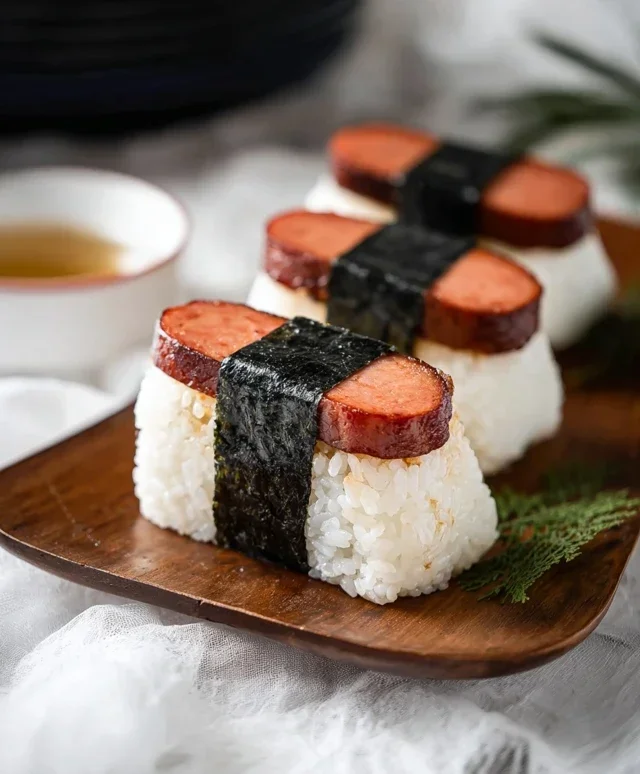
Hawaiian Spam Musubi is more than just a snack; it’s a cultural icon, a taste of the islands that has captured hearts and taste buds around the globe. For many of us, the first bite of a perfectly crafted Hawaiian Spam Musubi evokes memories of sunny beaches, bustling food trucks, and that undeniable feeling of island bliss. What is it about this simple combination of salty, savory Spam, fluffy rice, and a hint of sweet and salty teriyaki glaze, all wrapped in a neat package of nori, that makes it so irresistibly popular? It’s the perfect balance of textures and flavors – the crisp-edged Spam against the tender rice, the slight chew of the seaweed, and that addictive umami punch. This isn’t just a quick bite; it’s a satisfying meal that’s portable, affordable, and utterly delicious, making the Hawaiian Spam Musubi a beloved staple for locals and visitors alike.
Hawaiian Spam Musubi
Spam musubi is more than just a snack; it’s a taste of Hawaiian sunshine, a delightful combination of salty, sweet, and savory that has captured hearts and stomachs across the islands and beyond. This iconic treat is surprisingly simple to make, making it perfect for a quick lunch, a picnic addition, or a satisfying appetizer. The beauty of musubi lies in its perfect balance: the slightly sticky, perfectly seasoned sushi rice cradles a savory slice of pan-fried Spam, all wrapped up in crisp nori seaweed. It’s a flavor profile that’s both comforting and incredibly addictive.
I remember my first encounter with Spam musubi years ago, and it was love at first bite. The crisp edge of the Spam, the tender rice, the subtle umami of the seaweed – it all came together in a harmonious package. Since then, it’s become a staple in my kitchen, and I’m excited to share how you can recreate this beloved Hawaiian classic.
Ingredients:
Cooking Instructions:
The journey to delicious Spam musubi begin extracts with preparing the perfect rice. This is the foundation of our musubi, and getting it right is key.
Preparing the Sushi Rice
1. Start by thoroughly rinsing the short-grain sushi rice. Place the dry rice in a fine-mesh sieve and run it under cold water, swirling the rice with your hand. Continue rinsing until the water runs clear. This step is crucial for removing excess starch, which will prevent the rice from becoming overly gummy and ensure it has that desirable slightly chewy texture. Drain the rice well.
2. In a medium saucepan, combine the rinsed rice with 2 cups of water. Bring the mixture to a boil over medium-high heat. Once boiling, reduce the heat to low, cover the pot tightly, and let it simmer for about 15-20 minutes, or until all the water has been absorbed. Avoid lifting the lid during this cooking time, as it will release steam and affect the cooking process.
3. While the rice is cooking, prepare the sushi vinegar. In a small bowl, whisk together 2 tablespoons of rice vinegar, 1 tablespoon of granulated sugar, and 1/2 teaspoon of salt until the sugar and salt are fully dissolved.
4. Once the rice is cooked and the water is absorbed, remove the pot from the heat and let it sit, covered, for another 10 minutes. This steaming period allows the rice to finish cooking evenly.
5. Transfer the cooked rice to a large, shallow bowl or a hangiri (a traditional wooden rice tub). Gently pour the prepared sushi vinegar mixture over the hot rice. Using a rice paddle or a wooden spoon, carefully fold and cut the vinegar into the rice. The goal is to distribute the seasoning evenly without mashing the rice grains. Fan the rice as you mix to help it cool down and achieve a glossy sheen. Let the seasoned rice cool to room temperature, or at least until it’s comfortable to handle.
Preparing the Spam and Glaze
6. While the rice is cooling, it’s time to prepare the star of our musubi: the Spam. Open the 12 oz can of Spam and carefully remove it. You’ll want to slice the Spam into 5 to 6 uniform slices, each about 1/4 to 1/2 inch thick. These slices will be the perfect size to fit across a block of rice. You can achieve this by cutting the Spam in half lengthwise, then slicing each half into three equal pieces.
7. Now, let’s make the delicious glaze that will give our Spam that irresistible sweet and savory flavor. In a small skillet, combine 2 1/2 teaspoons of soy sauce, 2 tablespoons of granulated sugar, and 1/4 cup of water. Heat this mixture over medium heat, stirring constantly, until the sugar has completely dissolved and the liquid begin extracts to thicken slightly into a syrupy glaze. Be careful not to let it burn.
8. Add the sliced Spam to the skillet with the glaze. Pan-fry the Spam slices in the glaze over medium heat for about 2-3 minutes per side, until they are beautifully browned and slightly caramelized. The glaze will adhere to the Spam, creating a delectable coating that is both sweet and savory. Once done, remove the Spam slices from the skillet and set them aside on a plate.
Assembling the Musubi
9. Now for the fun part: assembling your Spam musubi! You’ll need a musubi mold for this, or you can improvise with an empty Spam can (with both ends removed) or even a small rectangular container. Place a strip of roasted seaweed nori, shiny side down, on a clean work surface. The nori strips should be about 2 inches wide.
10. Position the musubi mold on top of the nori strip. Gently press a layer of the seasoned sushi rice into the mold, filling it to about half an inch thick. The rice should be firm enough to hold its shape but not so compressed that it becomes dense.
11. Place a slice of the glazed Spam on top of the rice layer in the mold.
12. Add another layer of rice on top of the Spam, pressing it down gently to create a neat, compact block.
13. Carefully lift the musubi mold away, leaving the layered rice and Spam on the nori strip.
14. Fold the nori strip up and around the musubi. The ends of the nori should overlap slightly. You can moisten the edge of the nori with a tiny bit of water to help it seal. Repeat this process with the remaining rice, Spam, and nori until you have used up all your ingredients.
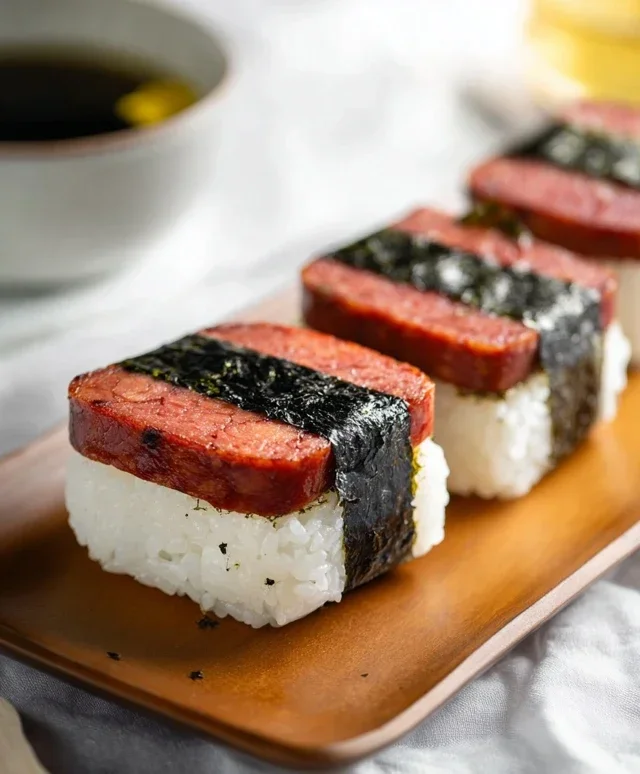
Your homemade Hawaiian Spam Musubi is ready to be enjoyed! These are best eaten fresh, but they also hold up well for a few hours, making them ideal for packed lunches or grab-and-go snacks. Enjoy this taste of the islands!
Conclusion:
And there you have it! This Hawaiian Spam Musubi recipe is truly a winner. It’s incredibly simple to whip up, delivering a delightful balance of savory, sweet, and salty flavors that are utterly addictive. The combination of perfectly cooked rice, caramelized Spam, and nori seaweed creates a satisfying and portable snack or meal that’s perfect for picnics, lunches, or anytime you need a delicious pick-me-up. I find it incredibly rewarding to make, and the joy it brings to others when they take their first bite is priceless!
I love enjoying my Spam musubi as a quick lunch or an on-the-go snack. They are also fantastic additions to a bento box or as a unique appetizer for gatherings. For variations, don’t be afraid to experiment! Try adding a sprinkle of furikake to your rice, a thin slice of tamagoyaki (Japanese rolled omelet), or even a dash of sriracha for a spicy kick. Some people even add avocado for extra creaminess.
I truly encourage you to give this Hawaiian Spam Musubi recipe a try. It’s a taste of the islands that’s accessible to everyone, and I promise, you won’t be disappointed. It’s a recipe that’s become a staple in my own kitchen, and I hope it does for you too!
Frequently Asked Questions about Hawaiian Spam Musubi:
Can I make Spam musubi ahead of time?
Yes, you can definitely make Spam musubi ahead of time! They are best enjoyed within a day or two. Store them wrapped tightly in plastic wrap at room temperature if you plan to eat them within a few hours, or in an airtight container in the refrigerator for longer storage. If refrigerating, you might want to gently warm them up before enjoying for the best texture and flavor.
What kind of rice should I use for Spam musubi?
For the best results, use medium-grain or short-grain Japanese rice. It has the right amount of stickiness to hold the musubi together. Make sure to cook it according to package directions and season it lightly with rice vinegar, sugar, and salt before shaping.
Is Spam the only option for musubi?
While Spam is the iconic and traditional choice for Hawaiian Spam Musubi, you can certainly get creative! Many people successfully substitute it with grilled teriyaki chicken, pan-fried tofu marinated in a teriyaki-style sauce, or even thinly sliced grilled Portuguese sausage for a different, yet equally delicious, experience.
Hawaiian Spam Musubi
A popular Hawaiian snack featuring grilled Spam, seasoned sushi rice, and nori seaweed. A delicious and convenient treat.
Ingredients
-
1 1/2 cup dry short grain sushi rice
-
2 cups water
-
2 tablespoon rice vinegar
-
1 tablespoon granulated sugar
-
1/2 teaspoon salt
-
1 can 12 oz Spam
-
2 1/2 teaspoon soy sauce
-
2 tablespoon granulated sugar
-
1/4 cup water
-
3 sheets roasted seaweed nori (cut into 2 inch wide strips)
Instructions
-
Step 1
Cook the sushi rice according to package directions. While rice is cooking, combine rice vinegar, 1 tablespoon sugar, and salt in a small bowl. Mix until sugar and salt are dissolved. Gently fold this mixture into the cooked rice once it’s done. -
Step 2
Slice the Spam into 1/2 inch thick pieces. In a small bowl, whisk together soy sauce, 2 tablespoons sugar, and 1/4 cup water. This is your glaze. -
Step 3
Heat a non-stick skillet over medium-high heat. Add the Spam slices and cook for 2-3 minutes per side until golden brown. Brush with the prepared glaze during the last minute of cooking, flipping once to coat both sides. -
Step 4
Prepare your musubi mold (or a clean Spam can with both ends removed). Place a strip of nori, shiny side down, on a clean surface. Line the mold with a strip of nori. -
Step 5
Press a layer of seasoned sushi rice into the mold, about 1/2 inch thick. Top the rice with a glazed Spam slice. -
Step 6
Fold the nori strip up and around the Spam and rice to enclose it. If using a mold, lift it out. Wrap the nori around the musubi, moistening the edge slightly to seal.
Important Information
Nutrition Facts (Per Serving)
It is important to consider this information as approximate and not to use it as definitive health advice.
Allergy Information
Please check ingredients for potential allergens and consult a health professional if in doubt.