
Hearty Homemade Beef Stew Recipe-Comfort Food
Homemade beef stew is more than just a meal; it’s a hug in a bowl, a comforting embrace on a chilly evening, and a timeless classic that whispers tnon-alcoholic ales of warmth and tradition. There’s a reason why this hearty dish remains a perennial favorite across generations. It’s the ultimate in soul-warming comfort food, a symphony of tender, slow-cooked beef, robust vegetables like carrots and potatoes, all swimming in a rich, savory broth. What makes a truly exceptional homemade beef stew is the care and patience invested in its creation. The magic happens when simple, wholesome ingredients are allowed to meld and deepen their flavors over time, transforming into something truly extraordinary. This recipe will guide you through creating your own masterpiece, one that will fill your home with an irresistible aroma and leave your taste buds singin extractg.
Why You’ll Love This Recipe:
The perfect blend of tender beef and wholesome vegetables.
An incredibly rich and flavorful broth that will have you licking your spoon.
A satisfying and filling meal that’s surprisingly easy to make.
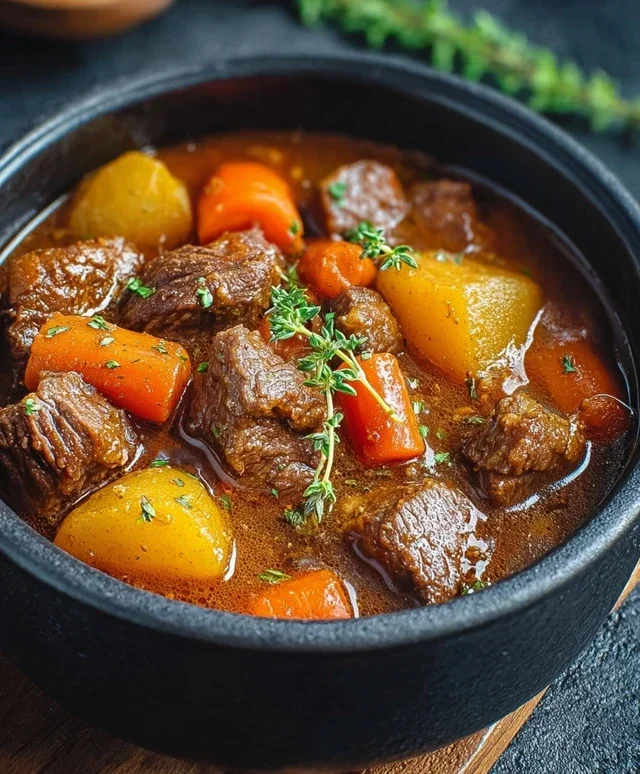
Homemade Beef Stew
There’s something undeniably comforting about a steaming bowl of homemade beef stew. It’s a dish that warms you from the inside out, perfect for a chilly evening or when you simply crave a hearty, flavorful meal. Forget those bland, watery versions you might have encountered; this recipe is all about deep, rich flavor and tender, melt-in-your-mouth beef. It’s surprisingly simple to make and the aroma that fills your kitchen as it simmers is absolutely divine. We’re talking about succulent chunks of beef, tender vegetables, all swimming in a savory, thickened gravy that’s perfect for sopping up with crusty bread. This is the kind of meal that becomes a family favorite, a recipe you’ll return to again and again.
Ingredients:
Cooking Instructions:
Let’s get started on this delicious journey. The key to a truly fantastic beef stew lies in building layers of flavor and ensuring our beef is incredibly tender. Don’t rush the process; a little patience will be handsomely rewarded.
1. Preparing the Beef for Browning
The first crucial step is to properly season and coat our beef. Take your cubed beef chuck roast and place it in a medium bowl. Sprinkle it evenly with the 1 teaspoon of Kosher salt and ½ teaspoon of coarsely ground black pepper. Toss the beef gently to ensure each piece is coated. Next, sprinkle the 2 tablespoons of gluten-free all-purpose flour over the seasoned beef. Again, toss everything together until the beef is lightly dusted with flour. This flour coating is essential for creating a beautiful sear on the beef and for thickening our stew later on, giving it that signature rich, velvety texture. This step prevents the beef from sticking to the pan and helps develop a wonderful crust.
2. Browning the Beef for Maximum Flavor
Now, it’s time to introduce some heat and create some serious flavor. Heat 2 tablespoons of olive oil or avocado oil in a large Dutch oven or heavy-bottomed pot over medium-high heat. Once the oil is shimmering, add the floured beef in batches. Don’t overcrowd the pot; this will steam the meat instead of browning it. You want to achieve a deep, golden-brown crust on all sides of each beef chunk. This browning process, known as the Maillard reaction, is where a significant amount of flavor is developed. As the beef browns, transfer it to a clean plate using a slotted spoon, leaving the rendered fat in the pot. This fat is pure flavor gold!
3. Sautéing the Aromatics
With the beef beautifully browned and set aside, we can now build the aromatic foundation of our stew. Reduce the heat to medium. Add the chopped ½ large yellow onion to the pot and cook, stirring occasionally, until it softens and becomes translucent, about 5-7 minutes. Scrape up any browned bits from the bottom of the pot; these are packed with flavor. Next, add the minced 4 garlic cloves and cook for another minute until fragrant, being careful not to burn the garlic. The smell at this stage is incredible, a promise of the deliciousness to come.
4. Deglazing and Building the Liquid Base
Now, we bring everything together. Return the browned beef to the pot with the sautéed onions and garlic. Stir in the ¼ cup of tomato paste and cook for about 1-2 minutes, stirring constantly. This helps to toast the tomato paste, deepening its flavor. Pour in the 2 cups of beef broth and the 1 tablespoon of Worcestershire sauce. Use a wooden spoon to scrape the bottom of the pot, ensuring all those delicious browned bits are incorporated into the liquid. This process is called deglazing and is key to capturing all the fond from the bottom of the pan. Add the bay leaf and the 2 teaspoons of fresh thyme leaves. Bring the mixture to a simmer, then reduce the heat to low.
5. The Slow Simmer for Tender Perfection
This is where the magic truly happens. Cover the pot tightly and let the stew simmer gently for at least 1.5 to 2 hours, or until the beef is fork-tender. The low and slow cooking process is crucial for breaking down the connective tissues in the beef chuck, making it incredibly tender and succulent. About 30 minutes before the stew is finished, add the 1 large carrot (or two small-medium), cut into 2-inch chunks, and the 2 Yukon Gold potatoes, diced into 2-inch pieces. Stir them in, making sure they are submerged in the liquid. Continue to simmer, covered, until the vegetables are tender. Taste and adjust seasoning with additional salt and pepper if needed. If the stew is thinner than you’d like, you can remove the lid during the last 30 minutes of cooking to allow some of the liquid to evaporate, or you can make a slurry of 1 tablespoon of flour mixed with 2 tablespoons of water and stir it in, simmering for a few more minutes until thickened. Serve hot, perhaps with a side of crusty bread or fluffy mashed potatoes to soak up every last drop of that glorious gravy. Enjoy!
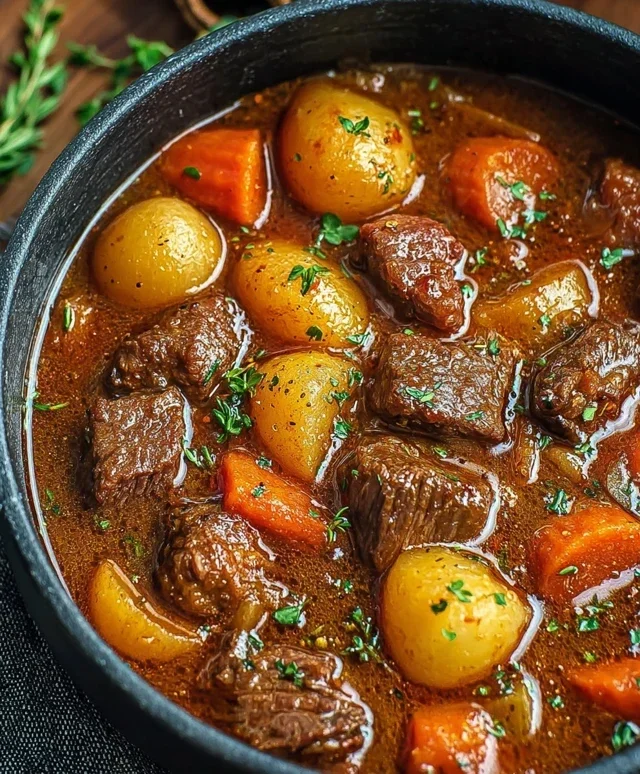
Conclusion:
And there you have it – a truly delicious and satisfying homemade beef stew that’s perfect for any occasion! This recipe is a winner because it delivers a depth of flavor that store-bought versions simply can’t match, thanks to the slow simmering of tender beef with aromatic vegetables and rich broth. It’s the ultimate comfort food, warming you from the inside out. I love serving this stew with crusty bread for dipping, a side of mashed potatoes, or even over fluffy rice. For those looking to switch things up, feel free to experiment with different root vegetables like parsnips or turnips, add a splash of red grape juice for an extra layer of complexity, or even incorporate some pearl barley for added texture and heartiness. Don’t be afraid to make it your own!
I truly encourage you to give this recipe a try. The process is straightforward, and the rewarding aroma that fills your kitchen as it simmers is half the joy. You’ll be amazed at how simple it is to create such a comforting and flavorful meal from scratch.
Frequently Asked Questions:
Can I make this beef stew ahead of time?
Absolutely! Beef stew often tastes even better the next day as the flavors have more time to meld. Simply let it cool completely, then store it in an airtight container in the refrigerator for up to 3-4 days. Reheat gently on the stovetop or in the microwave.
What cut of beef is best for stew?
For the most tender and flavorful results, I recommend using tougher, well-marbled cuts like chuck roast, brisket, or even short ribs. These cuts break down beautifully during the slow cooking process, becoming incredibly tender and delicious.
How can I thicken my beef stew if it’s too thin?
There are a few easy ways! You can create a slurry by whisking together equal parts cornstarch and cold water, then stirring it into the simmering stew until thickened. Alternatively, you can mash some of the cooked vegetables against the side of the pot, or stir in a tablespoon or two of flour at a time until you reach your desired consistency.
Homemade Beef Stew
A hearty and comforting homemade beef stew, perfect for a chilly evening. This recipe features tender beef chunks simmered with aromatic vegetables in a rich, savory broth.
Ingredients
-
2 pounds Beef Chuck Roast, cut into 2-inch chunks, excess fat removed
-
1 teaspoon Kosher Salt
-
½ teaspoon Coarsely Ground Black Pepper
-
2 tablespoons Gluten-free All-Purpose Flour
-
2 tablespoons Olive Oil
-
½ Large Yellow Onion, chopped
-
4 Garlic Cloves, minced
-
1 Large Carrot, cut into 2-inch chunks
-
2 Yukon Gold Potatoes, diced into 2-inch pieces
-
2 Cups Beef Broth
-
¼ Cup Tomato Paste
-
1 tablespoon Worcestershire Sauce
-
1 Bay Leaf
-
2 teaspoons Fresh Thyme Leaves
Instructions
-
Step 1
Pat the beef chunks dry with paper towels and season generously with salt and pepper. Toss the beef with the gluten-free flour until evenly coated. -
Step 2
Heat olive oil in a large Dutch oven or heavy-bottomed pot over medium-high heat. Sear the beef in batches until browned on all sides. Remove beef from the pot and set aside. -
Step 3
Add the chopped onion to the pot and cook until softened, about 5 minutes. Add the minced garlic and cook for another minute until fragrant. -
Step 4
Return the seared beef to the pot. Stir in the tomato paste and cook for 1-2 minutes, stirring to coat the beef and vegetables. Pour in the beef broth and Worcestershire sauce, scraping up any browned bits from the bottom of the pot. -
Step 5
Add the carrots, potatoes, bay leaf, and thyme to the pot. Bring the stew to a simmer, then cover and reduce heat to low. Cook for at least 2 to 2.5 hours, or until the beef is fork-tender and the vegetables are cooked through. -
Step 6
Remove the bay leaf before serving. Taste and adjust seasoning if necessary.
Important Information
Nutrition Facts (Per Serving)
It is important to consider this information as approximate and not to use it as definitive health advice.
Allergy Information
Please check ingredients for potential allergens and consult a health professional if in doubt.